
Home office furniture isn't just a passing trend anymore — for millions of Indians juggling hybrid work schedules, it's become as essential as a good internet connection. The pandemic changed how we think about our living spaces, and even now, years later, that spare corner, guest room, or balcony nook doing double duty as a workspace hasn't gone away. What has changed is how seriously people are taking the design of these spaces.
Think about it: you probably spend six to eight hours a day at your desk. That's more time than you spend in your bedroom while awake, more time than you spend in your kitchen, and definitely more time than you spend in your living room on a weekday. Yet for years, home offices in Indian households were an afterthought — a plastic table shoved against a wall, a dining chair borrowed for the occasion, maybe a desk lamp if you were lucky. That's slowly changing, and honestly, it's about time.
Good workspace design comes down to three things that actually matter: how you sit, how you see, and how you store things. A desk that wobbles or sits at the wrong height will wreck your posture within weeks. A chair without proper lumbar support turns a productive afternoon into a backache by evening. And a room without smart storage just becomes a place where cables, files, and coffee mugs pile up until the whole setup feels chaotic rather than calming.
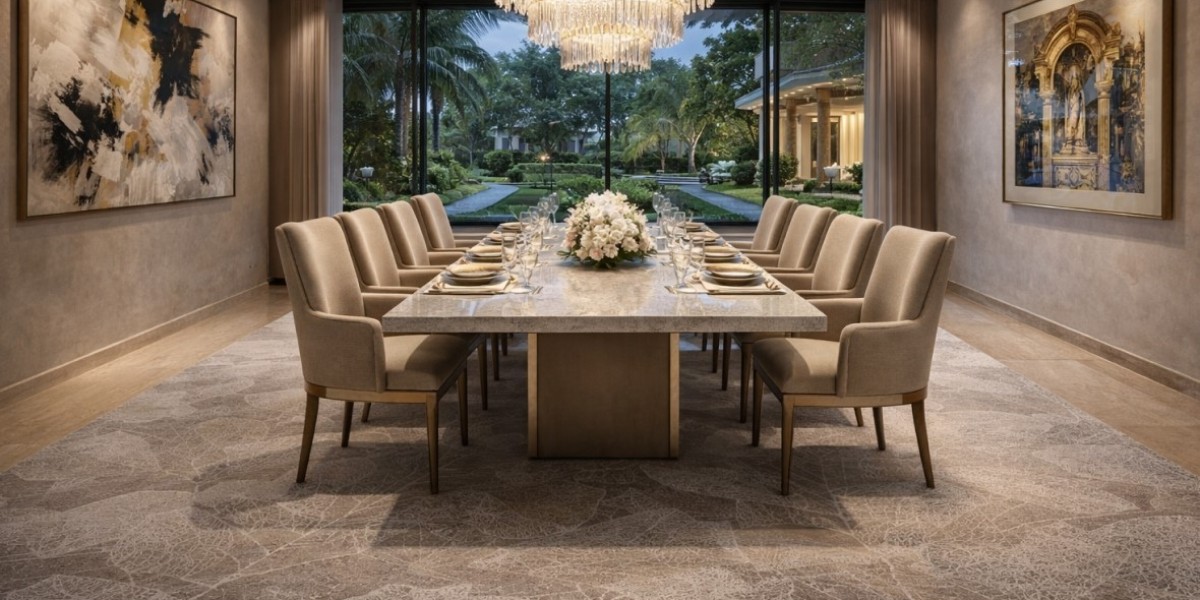
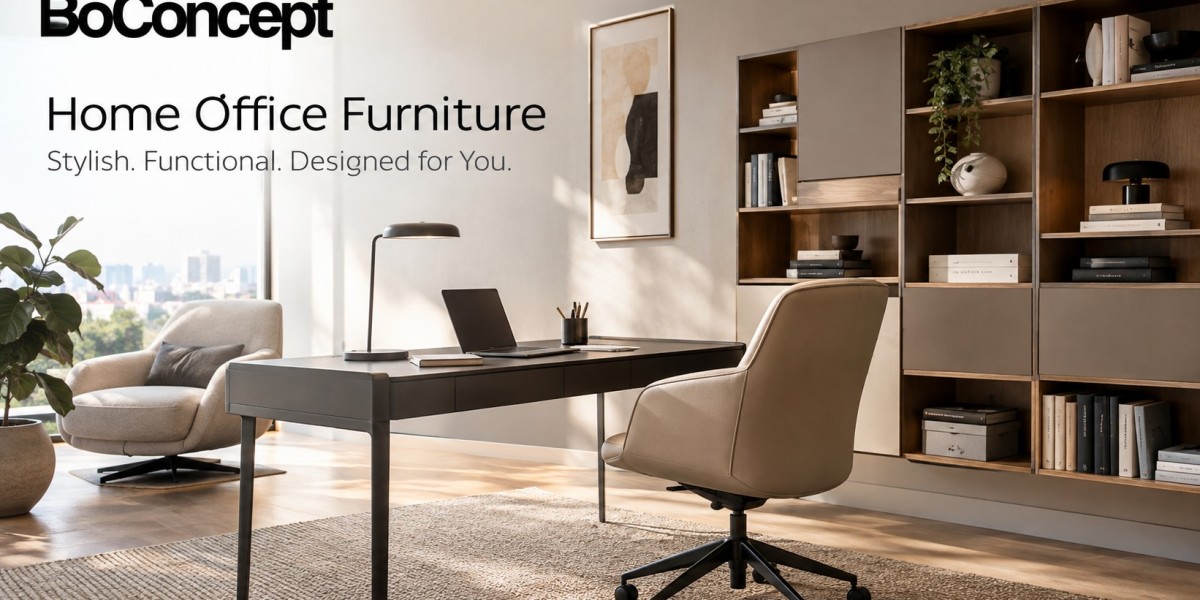
Scandinavian and Danish design philosophies have quietly influenced a lot of what's now considered "good" home office design — clean lines, functional materials, and furniture that doesn't shout for attention but earns its place through everyday usability. Brands like BoConcept have built entire collections around this idea, showing how a home office can double as a dining room corner or a small alcove without losing either function or aesthetic appeal. The Indian market has picked up on this too, with more homeowners asking interior designers for multi-purpose furniture rather than single-use pieces.
If you're planning your own setup, here's what actually makes a difference. Start with the desk — not the biggest one you can fit, but one proportioned to your room and your work style. If you're on video calls all day, you need surface space for a laptop stand and maybe a second monitor. If you write or sketch, you might prioritise depth over width. Next comes seating, and this is where people cut corners most often. A chair that supports your lower back and adjusts to your height isn't a luxury; it's the difference between finishing your workday feeling fine or feeling wrecked.
Lighting deserves more attention than it usually gets. Natural light near your desk does wonders for focus and mood, but for the hours after sunset, a well-placed table or floor lamp changes everything. Harsh overhead lighting tends to cause eye strain during long screen sessions, so layering your light sources — ambient, task, and accent — tends to work better than relying on one ceiling fixture.
Storage is the quiet hero of any workspace. Open shelving looks lovely in photos but can quickly become visual clutter. Closed cabinets, drawer units, and modular storage systems keep your desk surface clear while still giving you quick access to what you need. For smaller apartments, especially in cities like Mumbai, Bengaluru, or Delhi, vertical storage solutions make a real difference when floor space is limited.
There's also a psychological angle worth mentioning. A well-designed workspace, even a modest one, signals to your brain that it's time to focus. That's why people who work from cluttered, mismatched setups often struggle more with motivation than those who've invested a little thought into their environment. It's not about spending a fortune; it's about intention.
As more Indian professionals continue working remotely or in hybrid arrangements, the demand for furniture that's both functional and visually cohesive will only grow. Whether you're furnishing a dedicated study room or carving out a corner of your dining space, the principles stay the same: comfort, proportion, and a design that fits how you actually work. Getting this right isn't about following trends blindly — it's about building a space you'll genuinely want to sit in every single day, which, at the end of it all, is what good home office furniture is really meant to do.