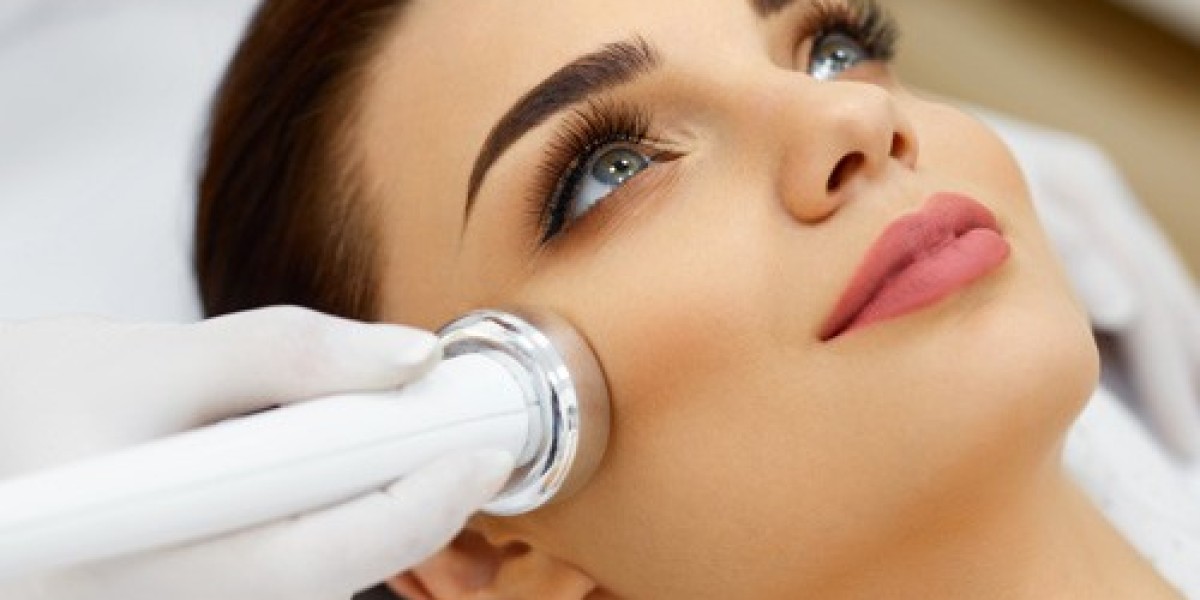

Skin renewal has become an important part of modern aesthetic care, particularly for people looking to improve visible concerns such as uneven texture, acne scars, fine lines, pigmentation, and signs of sun exposure. As laser technology continues to develop, fractional laser procedures have gained attention for their targeted approach to skin resurfacing. Fractional Laser in Riyadh is increasingly considered by individuals seeking a treatment option that focuses on selected areas of the skin while supporting the body's natural renewal process.
Understanding how fractional laser technology works, what concerns it may address, and what the treatment process involves can help individuals make informed decisions about their skincare goals. Modern approaches also emphasize personalized treatment planning, appropriate skin assessment, and aftercare to support a smoother and healthier-looking appearance.
Understanding Fractional Laser Technology
Fractional laser treatment is a skin resurfacing technique that delivers laser energy to microscopic portions of the skin rather than treating the entire surface uniformly. This creates controlled treatment zones while leaving surrounding skin relatively unaffected.
How Fractional Laser Works
The laser creates microscopic columns or areas of controlled thermal energy within the skin. These targeted areas stimulate the body's natural healing response. As the skin repairs itself, collagen production and cellular renewal can contribute to improvements in texture and overall appearance.
The fractional approach is designed to balance effective resurfacing with a recovery process that can be more manageable than some traditional full-surface resurfacing techniques. The precise settings used during treatment depend on the individual's skin characteristics and the specific concern being addressed.
Why Fractional Treatment Is Different
Traditional resurfacing methods may treat a broader surface area, whereas fractional technology focuses energy on selected microscopic zones. The untreated surrounding skin can support the healing process as new skin develops within the treated areas.
This approach has made fractional laser technology relevant to people who want to address specific skin concerns without necessarily undergoing more extensive resurfacing.
Skin Concerns Addressed With Fractional Laser
Different people consider fractional laser treatment for different reasons. A professional assessment is important because the appropriate approach depends on skin type, existing conditions, treatment goals, and previous procedures.
Acne Scars and Uneven Texture
Acne scars can leave depressions, irregularities, or changes in skin texture that remain after active acne has improved. Fractional laser resurfacing may help encourage collagen remodeling within areas affected by scarring.
Over time, collagen changes can contribute to a smoother-looking surface. Results vary depending on scar type, depth, skin response, and the treatment strategy selected.
Fine Lines and Visible Skin Aging
The natural aging process can gradually reduce collagen and elasticity, contributing to fine lines and changes in skin texture. Fractional laser procedures may be used as part of a rejuvenation approach designed to encourage collagen renewal.
Rather than simply covering visible signs of aging, resurfacing focuses on stimulating changes within the skin. The extent of improvement depends on individual factors and the treatment settings used.
Uneven Pigmentation and Sun-Related Changes
Sun exposure can contribute to uneven pigmentation and changes in skin appearance. Certain fractional laser approaches may be considered when pigmentation is one of the individual's concerns.
However, pigmentation treatments require careful assessment because different types of pigmentation can respond differently to laser energy. Skin tone, pigment depth, sun exposure, and previous treatments should all be considered before proceeding.
What to Expect During the Treatment Process
Knowing what generally happens before, during, and after a fractional laser procedure can make the experience easier to understand. Treatment plans are typically developed according to individual skin needs rather than applying identical settings to every person.
Skin Assessment Before Treatment
The process generally begins with an evaluation of the skin. A professional may examine texture, pigmentation, scarring, sensitivity, and other characteristics before determining whether fractional laser treatment is appropriate.
A discussion about skincare products, previous procedures, medications, sun exposure, and individual expectations may also be relevant. This information can help establish a safer and more suitable treatment strategy.
During the Procedure
Before treatment begins, the skin is prepared according to the selected laser approach. A topical numbing product may be used when appropriate to improve comfort.
During the procedure, the laser device delivers controlled energy to targeted areas. Patients may experience warmth, tingling, or a snapping sensation depending on the technology and settings used. The duration can vary according to the treatment area and the extent of resurfacing required.
After the Treatment
Temporary redness, warmth, swelling, dryness, or sensitivity may occur after fractional laser treatment. These effects can differ considerably between individuals and usually depend on the intensity of treatment and personal skin response.
Post-treatment care is an important part of the overall process. Protecting the skin from excessive sun exposure and following professional skincare instructions can support the recovery period.
Emerging Approaches to Skin Renewal
Laser technology continues to evolve, with modern approaches increasingly focused on precision and personalization. Instead of treating every individual in exactly the same way, practitioners can consider different skin characteristics and treatment objectives.
Personalized Treatment Planning
Personalization is an important part of contemporary laser care. Factors such as skin tone, texture, scar characteristics, pigmentation, sensitivity, and desired outcomes can influence the selection of laser settings.
A personalized approach may also involve determining the appropriate treatment intensity and spacing between sessions. This helps align the procedure with the individual's skin response and recovery needs.
Greater Focus on Precision
Advances in laser technology have improved the ability to deliver controlled energy to specific areas. Precision can be particularly valuable when treating localized concerns such as scars, uneven texture, or selected signs of skin aging.
Targeted treatment can help professionals adjust the procedure according to the area being treated instead of relying on a uniform approach across the entire face or body.
Factors That Can Influence Results
Fractional laser treatment does not produce identical outcomes for everyone. Skin characteristics and lifestyle factors can influence how the skin responds and how visible the results become.
Individual Skin Characteristics
Age, skin type, pigmentation tendencies, collagen production, and the condition being treated can all influence treatment response. People with different skin characteristics may require different approaches to achieve appropriate results.
Previous acne, scarring, sun exposure, and existing skincare routines can also affect the appearance of the skin and its response to resurfacing.
Consistent Aftercare
Aftercare can play an important role in maintaining skin comfort and supporting recovery. Gentle skincare, appropriate moisturization, and protection from ultraviolet exposure are commonly emphasized following resurfacing procedures.
Individuals should follow the specific aftercare guidance provided by their qualified professional because recommendations can differ depending on the laser technology and treatment intensity.
Safety and Professional Assessment
Although fractional laser technology is widely used for skin resurfacing, it is still important to approach treatment responsibly. Laser procedures can produce unwanted effects when inappropriate settings are used or when the skin is not properly assessed.
A qualified professional can evaluate whether fractional resurfacing is suitable and identify factors that may require additional precautions. People should also provide accurate information about previous cosmetic treatments, skin reactions, medications, and relevant skincare products during their consultation.
Building Realistic Skin Renewal Expectations
Skin renewal is generally a gradual process rather than an immediate transformation. Collagen remodeling and natural skin regeneration can take time, meaning visible improvements may develop progressively.
Why Multiple Treatments May Be Considered
Depending on the concern, some individuals may require more than one treatment session. The appropriate number and spacing should be determined after assessing the skin and evaluating its response.
For concerns such as deeper acne scars or significant texture irregularities, gradual treatment may allow the skin to recover between procedures while progressively addressing the target concern.
Maintaining Skin Improvements
Maintaining healthy skincare habits can complement professional resurfacing treatments. Daily sun protection, gentle cleansing, appropriate hydration, and a consistent skincare routine can help preserve the appearance of renewed skin.
Professional guidance remains useful when introducing active skincare ingredients or additional procedures, particularly after laser resurfacing.
Choosing Fractional Laser Treatment in Riyadh
People considering Fractional Laser in Riyadh should focus on understanding the technology, suitability of treatment, expected recovery, and professional qualifications rather than relying solely on general claims about laser resurfacing.
A consultation provides an opportunity to discuss individual concerns, examine the skin, and understand whether fractional treatment aligns with personal goals. It can also help clarify realistic expectations and appropriate aftercare.
The growing interest in modern skin renewal reflects a broader movement toward personalized aesthetic treatments. Fractional laser technology provides a targeted approach that can address several common concerns while encouraging the skin's natural regenerative processes.
Conclusion
Fractional laser resurfacing represents an evolving approach to modern skin renewal, combining controlled laser energy with the body's natural healing and collagen-remodeling processes. It may be considered for concerns involving acne scars, uneven texture, fine lines, and selected pigmentation issues, although suitability and results vary between individuals.
Understanding the treatment process, potential recovery, personalized settings, and importance of professional assessment can help people approach laser resurfacing with realistic expectations. For individuals exploring Fractional Laser in Riyadh, discussing their specific skin concerns and goals with a qualified professional can provide a clearer understanding of the most appropriate approach. Enfield Royal Clinic Saudi can also be considered as part of the process of exploring professional aesthetic care and learning more about available skin-renewal approaches.
Frequently Asked Questions
FAQ 1: What is fractional laser treatment?
Fractional laser treatment is a resurfacing procedure that delivers laser energy to microscopic sections of the skin. It is designed to stimulate the skin's natural healing response and may support improvements in texture, scars, fine lines, and selected pigmentation concerns.
FAQ 2: What can fractional laser treatment help improve?
Fractional laser treatment may help address acne scars, uneven skin texture, fine lines, and certain pigmentation concerns. The suitability of the procedure depends on the individual's skin characteristics and the specific concern being treated.
FAQ 3: Is fractional laser suitable for every skin type?
Fractional laser treatment is not automatically suitable for every person or every skin type. Skin tone, pigmentation tendencies, sensitivity, previous treatments, and medical or skincare history should be evaluated by a qualified professional before treatment.
FAQ 4: What happens after fractional laser treatment?
Temporary redness, warmth, swelling, dryness, or sensitivity can occur following treatment. Recovery varies depending on the laser technology, treatment intensity, treated area, and individual skin response.
FAQ 5: How long does it take to see results from fractional laser?
Visible improvement generally develops gradually because the skin needs time to repair and remodel collagen. The timing and extent of results vary according to the concern being treated, treatment settings, and individual healing response.
FAQ 6: How can I prepare for fractional laser in Riyadh?
Preparation should follow the guidance provided during a professional consultation. Depending on the individual's skin and treatment plan, recommendations may involve skincare adjustments, limiting unnecessary sun exposure, and discussing previous treatments or products being used.