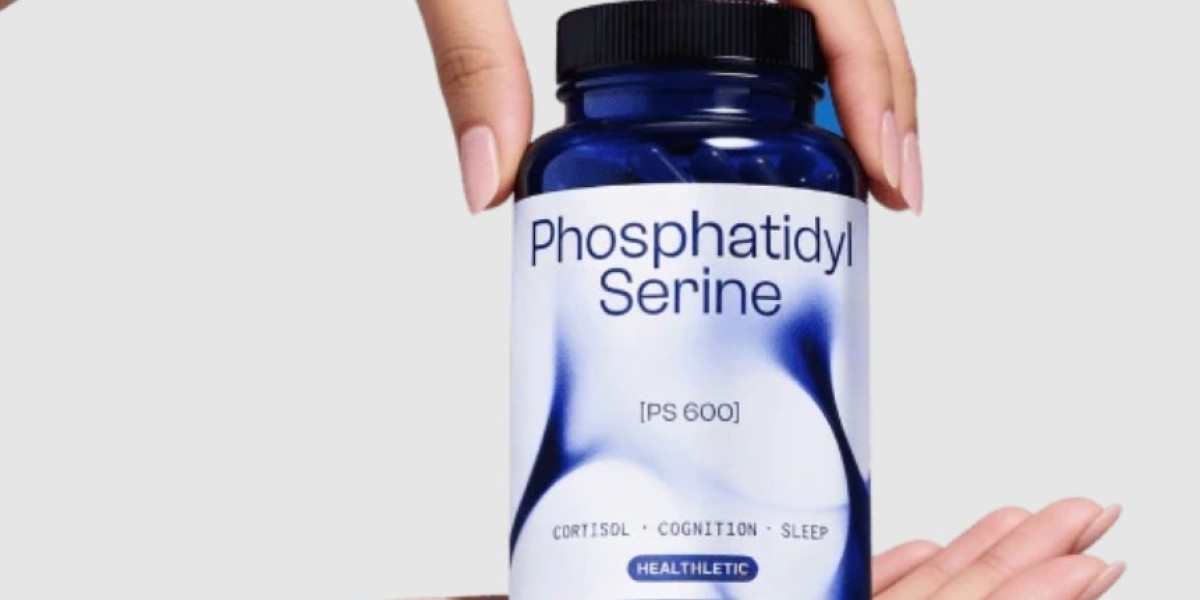

Phosphatidylserine Cortisol Solution covers the role of phosphatidylserine (PS), a naturally found phospholipid, to potentially affect the body’s adaptation to stress and cortisol. Cortisol is an major hormone that is involved in regulating blood sugar, blood pressure, metabolism, immune function and the body’s response to stress. It's not inherently harmful and the objective is typically balanced regulation, not removal of cortisol.
Phosphatidylserine has gained interest, as some clinical studies have suggested that supplementation may moderate cortisol responses to some physical or psychological stressors. But the clinical data used varied formulations, doses and study populations so the results cannot be viewed as confirmation that PS treats chronic high cortisol or an endocrine disorder.
This guide outlines how phosphatidylserine may interact with the stress-response system, presents research on dosage and possible benefits, covers possible side effects and interactions, and contrasts phosphatidylserine with other strategies for addressing stress and abnormal cortisol levels.
An Overview of Phosphatidylserine Cortisol Solution?
Phosphatidylserine is a naturally present phospholipid found in cell membranes, including in the brain. In the United States it’s sold as a dietary supplement and has been studied for areas such as cognitive function, exercise-induced stress and the body’s hormonal response to stress. Modern supplements often use soy or sunflower sources, rather than the bovine-brain preparations of some early research.
Phosphatidylserine Cortisol Solution is not an FDA approved treatment or standard medical treatment. Rather it is a general description of how PS supplementation can be used to potentially support a more balanced response to stress. Studies have indicated that PS may blunt cortisol increases in some situations, but it has not been proven to reliably lower persistently elevated cortisol produced by conditions such as Cushing syndrome.
This is relevant because cortisol levels naturally shift throughout the day. A temporary rise during exercise, emotional stress or illness is normal. Causes of chronically abnormal cortisol include exposure to corticosteroids or disorders of the pituitary or adrenal glands, and these conditions call for appropriate evaluation and not self-treatment with a supplement.
How Does Cortisol Phosphatidylserine Function?
Phosphatidylserine seems to interact with the hypothalamic-pituitary-adrenal (HPA) axis, the regulatory network that assists in coordinating the body’s response to stress. When a stress response is triggered, the hypothalamus and pituitary send signals to the adrenal glands to release cortisol. PS has been examined for its ability to modulate some of these stress-related hormonal responses.
PS has been observed in human studies to lower cortisol responses to some stressors. For example, one brief randomised crossover study found that taking 600 mg of PS daily for 10 days reduced peak cortisol and total cortisol exposure after moderate-intensity exercise. But the study only included 10 healthy men and so the results can't be considered representative to everyone with high cortisol.
Other studies have produced mixed results. Some studies on phosphatidylserine in combination with phosphatidic acid have shown variations in the cortisol and ACTH response under certain laboratory stress conditions, while other exercise studies have not found a clear cortisol-lowering effect. This variability is one reason why a Phosphatidylserine Cortisol Solution should be viewed as a potential stress-response supplement, not a proven treatment for hypercortisolism.
Phosphatidylserine Benefits for Cortisol
The most studied possible benefit is the decrease of the cortisol response to acute stress. In a few clinical trials, PS supplementation moderated the cortisol spike that occurs following exercise or an experimentally induced stressor. This means PS may influence the strength of the HPA axis response to some challenges, but it does not mean that supplementation will normalise cortisol in every individual.
Phosphatidylserine has also been researched for cognitive and stress-related outcomes. Some research has explored memory, attention, mood, and perceived stress, but findings are mixed and often involve particular populations or formulations. Somebody who has fatigue, poor concentration or anxiety should not suppose that high cortisol is the cause, as these symptoms can have a number of independent explanations.
Exercise recovery and training stress is another area that is under investigation. Some studies have examined PS in athletes and physically active adults, as intense exercise may transiently increase cortisol. Results have been mixed, with some trials reporting a smaller cortisol response and other trials reporting little or no significant effect. Therefore, PS should not be regarded as a replacement for adequate recovery, nutrition, sleep or appropriate training volume.
There is also ongoing research in whether PS may contribute to a healthier response to stress in people suffering from chronic psychological stress. In a controlled study, a phosphatidylserine-phosphatidic acid combination was demonstrated to change stress-related hormonal responses, in subjects classified as highly chronically stressed. The results cannot be automatically extended to the average PS supplement or to all people under stress because the formulation and study population were limited.
Potential Side Effects & Risks of Phosphatidylserine Cortisol Solution
Phosphatidylserine is generally thought to be safe at the doses studied, but supplements can still cause side effects. Reported side effects include GI discomfort, nausea, headache or sleep-related changes. The safety of high-dose use over a long period of time has not been studied as well as the short-duration use that has been studied in clinical trials and individual responses may vary.
More PS does not necessarily mean more cortisol benefits. Research has used a considerable range of doses and formulations, and some studies have seen effects at one dose that were not present at another. This makes it uncertain to determine a dose of cortisol reduction that is appropriate for everyone, especially when the supplement is taken without the support of a professional.
If you have a known hormonal disorder, are on prescription medication, are pregnant or nursing, or are about to undergo surgery, consult a qualified health professional regarding supplementation. If you have symptoms of seriously irregular cortisol (such as unexplained significant weight gain, prominent muscle weakness, easy bruising or purple stretch marks) then you should see a doctor rather than trying to change your cortisol with supplements.
Who may benefit from Phosphatidylserine Cortisol Solution?
Studies on PS have been conducted primarily on relatively healthy adults, athletes and individuals subjected to experimentally induced physical or psychological stress. So the evidence is more applicable to influence of stress response than it is to treatment of a diagnosed cortisol disorder. PS is a dietary supplement that a person looking for general stress support might consider, but there is no evidence that everyone who has stress or fatigue needs it.
Those with symptoms suggesting high or low cortisol should discuss whether testing or medical assessment is indicated. Cortisol levels naturally rise and fall with the time of day, sleep, illness, physical activity and other factors, so one abnormal result does not necessarily mean disease. Healthcare professionals might use tests of blood, urine or saliva, assessing the results in light of the symptoms and timing.
Corticosteroids warrant particular caution. Stopping or changing these medicines suddenly can be dangerous because prescription corticosteroids can influence the HPA axis. PS should not be used as an indication to change a prescribed steroid regimen. If the cortisol is indeed too high, treatment varies according to the cause and may involve changes in medications, prescription treatment, surgery or other medical care.
Alternatives to Phosphatidylserine Cortisol Solution
Lifestyle measures are often the basis, rather than a single supplement, for common stress management. Consistent sleep, regular physical activity, good nutrition, relaxation techniques and managing ongoing sources of stress can all promote healthier stress regulation. These approaches may also target several factors that can influence a person’s feelings without trying to reduce cortisol directly.
Other supplements are sometimes marketed for cortisol support, such as magnesium, omega-3 fatty acids, ashwagandha and various herbal blends. They have diverse doses, safety profiles, evidence, and mechanisms. Do not assume any supplement is the best supplement for high cortisol and do not use supplements to treat suspected Cushing syndrome or any other endocrine disorder without medical evaluation.
The appropriate alternative to confirmed hypercortisolism is medical treatment aimed at the underlying cause. Medical conditions such as corticosteroid medication, pituitary or adrenal disorders can cause high cortisol. Under these conditions, a Phosphatidylserine Cortisol Solution is not a treatment meant to reduce pathological cortisol production or to cure its cause.
Where Can You Buy Phosphatidylserine Cortisol Solution in US
In the United States phosphatidylserine is distributed as a dietary supplement in pharmacies, health-food stores, online supplement retailers and elsewhere. Products can contain only PS or include other ingredients such as phosphatidic acid and serving sizes can vary widely. Consumers should inspect the Supplement Facts panel for the actual content of phosphatidylserine, not just the total weight of the capsule.
The quality of dietary supplements also can vary. Make sure it’s clearly labelled, supplied by a manufacturer that provides appropriate quality information, and, if available, independent testing by a third party. A product’s marketing claims do not confirm that the product will lower a person’s cortisol level or treat a medical condition.
Phosphatidylserine Cortisol Solution Frequently Asked Questions
How much phosphatidylserine to lower cortisol?
There is no uniform dose of phosphatidylserine for reducing cortisol. Different doses have been tested, including 600 mg daily for 10 days in a small exercise study, and combinations of phosphatidylserine-phosphatidic acid in other studies. These research doses should not be interpreted as a dosage recommendation because the formulations and populations are different. A healthcare professional can advise on if supplementation is appropriate for you.
What unwanted effects may phosphatidylserine cause?
Phosphatidylserine is generally described as well tolerated during short-term studies, although some people may experience digestive upset, nausea, headache, or changes in sleep. Tolerance may be different from person to person, particularly at higher doses or in combination products. Long term safety data are not as well established as short term studies. If you develop persistent or significant symptoms after starting a supplement, you should pause the supplement and consult with a health care professional about the reaction.
Which supplement may lower high cortisol?
There is no one supplement that has been demonstrated to be the ideal way to get rid of high cortisol. Cortisol is required for health and treatment is based on the reason for the elevation. PS may moderate cortisol responses to some stressors, but has not been shown to be a treatment for pathological hypercortisolism. If testing or symptoms show abnormally high cortisol, it is more important to determine the cause than to select a supplement.
What Not to Mix With Phosphatidylserine
There’s no definitive list of things to avoid with phosphatidylserine, but it’s prudent to be cautious if you’re using it with prescription medications or with multiple supplements. If you are taking corticosteroids, medications that affect your hormones or are undergoing treatment for a serious medical condition, you should consult a healthcare professional before using PS. Combination products require careful review since an interaction concern may be due to an ingredient other than PS itself.
Is phosphatidylserine effective for lowering cortisol?
In research it has been shown that phosphatidylserine lowers the cortisol response to certain acute stressors, however, this effect has not been seen in all studies. Some studies have found diminished exercise-related cortisol responses, whereas other research has shown little effect. The evidence thus signals a possible effect on stress-induced cortisol changes rather than a established way to lower persistently elevated cortisol.
When should you take phosphatidylserine for cortisol?
There is no well-established universal timing for taking PS specifically for daily cortisol control. The research protocols have changed in both dose and timing, so it is difficult to recommend one schedule for all. Some products suggest taking PS with meals or at different points in the day, but these are product-specific instructions and not a standardised cortisol treatment protocol.
Does phosphatidylserine reduce stress and anxiety?
PS has been studied as a potential component influencing the HPA axis and cortisol response and, thus, its impact on stress-related outcomes. Research has shown some changes in hormonal responses or subjective stress under some experimental conditions. However, the evidence is not strong enough to consider PS an established treatment for an anxiety disorder. Persistent anxiety, panic symptoms, or significant distress requires appropriate evaluation and evidence-based care.
Does phosphatidylserine affect nighttime cortisol?
Phosphatidylserine has been studied for effects on cortisol patterns, including stress-related hormonal responses, but there is no evidence to specifically demonstrate a reliable decrease of nighttime cortisol. Under normal conditions, cortisol follows a daily rhythm, with levels typically higher at waking and lower later in the day. Abnormal nocturnal cortisol should be assessed in context as not all supplements that alter this pattern are beneficial.
Can you take phosphatidylserine daily?
Daily supplementation with phosphatidylserine was generally considered tolerable during short-term studies; long-term safety is less well established. Whether daily use is appropriate varies according to the product, dose, individual health status and other medications or supplements being used. The continuous use of PS must not serve as a replacement for the investigation of symptoms that could indicate an endocrine or other medical condition.
Phosphatidylserine Cortisol Solution Conclusion
Phosphatidylserine might assist the body with handling stress. Some research in humans suggests that it might help limit the increase in cortisol that happens when the body is subjected to certain physical or mental stressors. However, the evidence is based on relatively small and varied studies, and the results are not consistent enough to confirm PS as a general treatment for high cortisol.
Therefore, a Phosphatidylserine Cortisol Solution should be regarded primarily as a possible nutritional supplement approach to stress-response support than a substitute for medical evaluation or treatment. Cortisol is a essential hormone and persistently abnormal levels can be a sign of significant underlying problems. If you suspect high cortisol, it’s more important to determine and treat the reason than it is to just try to lower the hormone with a supplement.