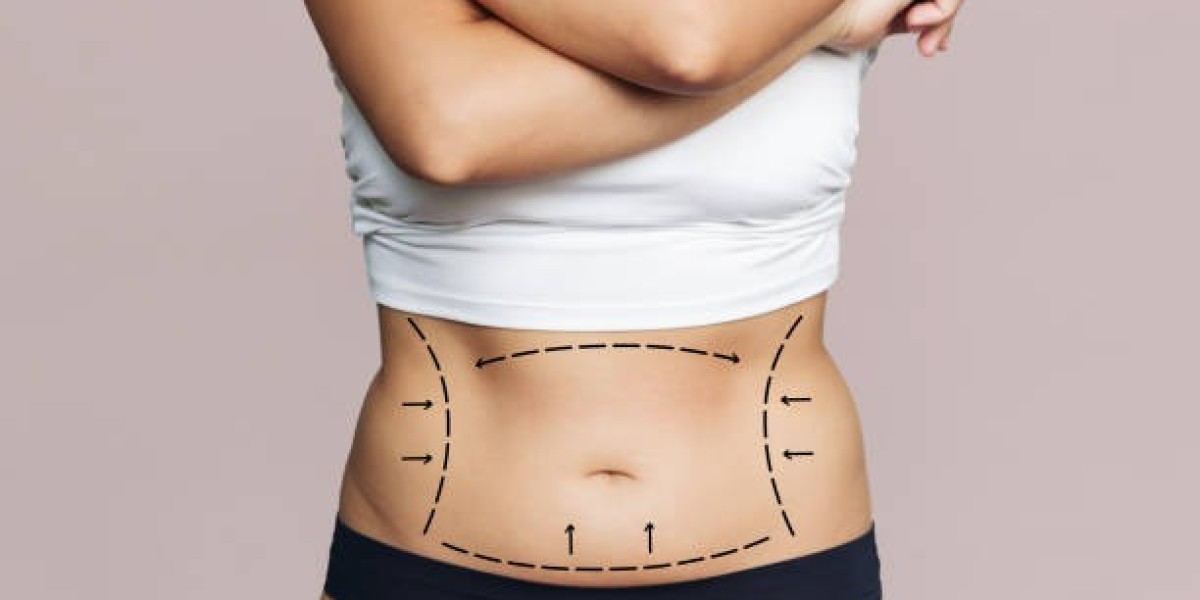

Abdominal body contouring can involve more than one concern, particularly when localized fat and excess skin occur together. Liposuction and a tummy tuck address different aspects of abdominal appearance, which is why they may sometimes be considered as part of the same treatment plan. Abdominal Liposuction and Tummy Tuck in Riyadh (عملية شد البطن في الرياض) can be discussed with a qualified surgeon to determine whether combining the procedures is appropriate for an individual patient.
How Liposuction and Tummy Tuck Differ
Abdominal liposuction primarily removes selected deposits of subcutaneous fat. It can help contour areas such as the abdomen, waist, and flanks when localized fat remains despite a relatively stable weight.
A tummy tuck, or abdominoplasty, primarily addresses excess abdominal skin. Depending on the patient's anatomy, the procedure may also include repair of weakened or separated abdominal muscles.
Because the procedures target different concerns, combining them can sometimes provide a more comprehensive approach to abdominal contouring.
Why Combine the Procedures?
A patient may have both localized abdominal fat and significant loose skin. Liposuction alone can reduce fat but cannot remove substantial excess skin. A tummy tuck can remove selected loose skin but does not serve as a substitute for targeted fat removal in every situation.
When both concerns are present, Abdominal Liposuction and Tummy Tuck in Riyadh may be considered together to address fat distribution and skin laxity within one individualized treatment plan.
The decision should be based on medical assessment rather than simply a desire to perform both procedures.
Who May Be Considered for Combined Treatment?
Suitability depends on several individual factors. A patient may be considered when they:
- Have relatively stable body weight
- Have localized abdominal or waist fat
- Have excess or loose abdominal skin
- Are in suitable overall health
- Have realistic expectations
- Understand the recovery involved
- Do not have medical factors that would make surgery unnecessarily risky
The surgeon will evaluate the patient's overall health, abdominal anatomy, skin quality, fat distribution, and previous surgical history before recommending combined treatment.
The Importance of Skin Elasticity
Skin elasticity plays an important role in abdominal contouring. When fat is removed through liposuction, the skin must adapt to the reduced volume underneath it.
If the skin has good elasticity, it may contract to some degree after liposuction. However, significant loose or stretched skin may not tighten sufficiently on its own.
A tummy tuck can address selected excess skin by surgically removing it and repositioning the remaining tissue. This makes skin quality an important factor when deciding whether combined treatment is appropriate.
What Happens During Combined Treatment?
The exact surgical approach varies according to the patient's anatomy and treatment plan. Liposuction may be used to remove selected fat deposits from the abdomen, waist, flanks, or other appropriate areas.
The tummy tuck component involves removing excess abdominal skin and repositioning the remaining tissue. When indicated, abdominal muscles may also be repaired.
The surgeon plans the procedures according to the patient's proportions rather than applying the same technique to every individual.
What Results Can Be Expected?
Combined treatment may create a smoother abdominal contour by addressing both localized fat and excess skin. The result can vary considerably depending on skin elasticity, body proportions, abdominal muscle condition, healing, and surgical technique.
It is important to understand that the purpose is body contouring rather than major weight reduction. Surgery also cannot completely change natural skeletal structure or prevent future changes caused by aging, pregnancy, or substantial weight fluctuations.
Recovery After Combined Treatment
Recovery following combined procedures can be more involved than recovery from liposuction alone. Patients may experience swelling, bruising, tenderness, tightness, and temporary changes in sensation.
A tummy tuck may require restrictions on strenuous exercise and heavy lifting while the abdominal tissues heal. The exact recovery instructions depend on the procedures performed and the surgeon's recommendations.
Compression garments may be recommended in some cases. Patients should follow instructions regarding wound care, medications, activity, and follow-up appointments.
Potential Risks and Considerations
Both procedures involve potential surgical risks. These may include infection, bleeding, fluid accumulation, delayed healing, changes in sensation, contour irregularities, scarring, and anesthesia-related complications.
A tummy tuck also produces a surgical scar. Its appearance varies according to surgical technique, individual healing, and other personal factors.
Combining procedures may also increase the extent of surgery and recovery compared with a single procedure. The surgeon should discuss the potential benefits, limitations, and risks during the consultation.
When Combining Procedures May Not Be Suitable
Combined treatment is not appropriate for everyone. Certain medical conditions, significant weight instability, healing concerns, or other individual factors may influence the decision.
If a patient has only localized fat with good skin quality, liposuction may be the primary procedure considered. If excess skin is the main concern, a tummy tuck may be more relevant.
A personalized evaluation is therefore essential before deciding on combined surgery.
Maintaining Your Contour After Treatment
Surgery can change the treated areas, but it does not prevent future changes in body composition. Significant weight gain or loss can affect the abdominal contour, while pregnancy can stretch abdominal tissues again.
Once medically cleared, maintaining a stable weight and healthy lifestyle can help support the results.
Patients should also understand that normal aging continues after surgery and can gradually affect skin and body shape.
Book Your Appointment at Royal Clinic Saudia
If you are considering treatment for both abdominal fat and loose skin, Royal Clinic Saudia ( عيادات رويال كلينك ) can provide an individualized consultation. Abdominal Liposuction and Tummy Tuck in Riyadh can be evaluated based on your health, body composition, skin quality, abdominal structure, and personal goals.
FAQs:
Can liposuction and a tummy tuck be performed together?
Yes, they may be combined in selected patients when both localized fat and excess skin are present and the surgeon considers the approach appropriate.
Does combining the procedures remove more weight?
The procedures are designed primarily for body contouring, not major weight loss. Liposuction removes selected fat, while a tummy tuck removes excess skin and may address abdominal muscle changes.
Is recovery longer when both procedures are combined?
Recovery can be more involved than with liposuction alone because a tummy tuck involves surgical skin removal and may include muscle repair.
How can I know whether combined treatment is suitable for me?
A qualified surgeon should assess your medical history, skin elasticity, fat distribution, abdominal wall, weight stability, and treatment goals before recommending an approach.