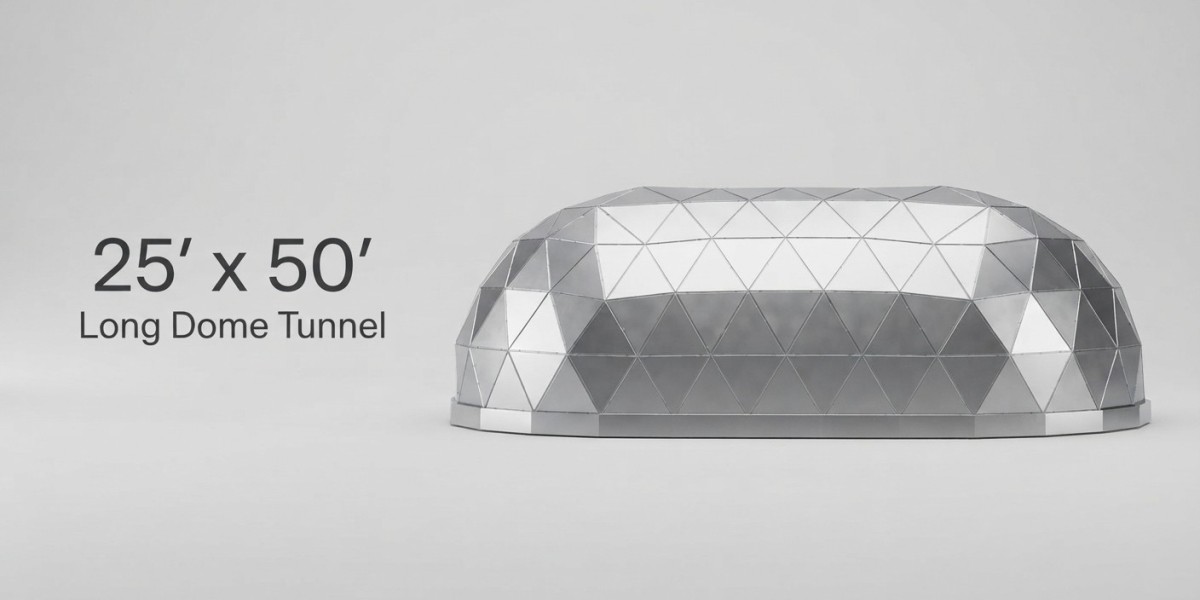

Having enough room for your plants can make it easier to create an organized growing area. A 25x50 Long Tunnel provides a spacious covered environment where you can arrange vegetables, herbs, flowers, seedlings, and other plants. With a good layout, the available space can be used efficiently without making the growing area difficult to access.
The way you arrange your plants can make a difference in how comfortable the space is to work in. Creating clear paths, grouping similar plants together, and using the available vertical space can help you make better use of the tunnel.
Start With a Simple Layout
Before placing your plants inside the tunnel, think about how you want to divide the available space. You can create separate sections for different types of plants or organize them according to their size.
For example, vegetables that need more room can be placed in larger growing areas, while herbs and smaller plants can be grouped together. Seedlings can also have their own section so they can be monitored as they develop.
Make Use of the Available Floor Space
The floor area provides plenty of room for containers, planters, garden beds, and larger plants. However, filling every part of the floor can make it difficult to move around.
Leave enough space for clear walkways between your growing areas. This gives you easier access when watering, pruning, harvesting, or moving plants.
Organize Plants by Size
Plants can take up different amounts of room as they grow. Larger plants should have enough space around them, while smaller plants can be placed in areas that do not require as much floor space.
Keeping larger plants in their own sections can also help prevent them from crowding smaller plants. This can make the entire growing area easier to manage.
Use Shelves for Smaller Plants
Shelving can help you use more of the available space without taking up additional floor area. Smaller pots, herbs, and seedling trays can be placed on shelves while larger plants remain on the ground.
As seedlings grow, you can move them into larger containers or relocate them to another section. This makes the layout flexible and allows you to change the arrangement as your plants develop.
Create Dedicated Growing Sections
Separating plants into different areas can help keep the tunnel organized. You may want one section for vegetables, another for herbs, and another for flowers.
Seedlings can be kept in a separate area where they are easy to monitor. Having dedicated sections can also make it easier to replace plants or change the layout when your growing plans change.
Leave Space for Movement
A growing area needs more than just space for plants. You also need room to walk between them and reach the plants when they need attention.
Try to keep the main paths clear and avoid placing containers where they could block access. This can make everyday gardening tasks much easier.
Plan Around Plant Growth
When arranging your plants, consider how large they will become rather than only looking at their current size. A small seedling may need considerably more room once it matures.
Leaving extra space around plants can help prevent overcrowding later. You can also keep some areas flexible so new plants can be added as older ones are harvested or moved.
Using Containers and Planters
Containers and planters can make it easier to organize plants within the tunnel. They can be moved when you need to change the layout or create additional room.
Smaller containers can be grouped together, while larger planters can be placed in areas where there is more floor space. This gives you different options for organizing your growing area.
Arrange Plants for Easy Maintenance
An efficient layout should make it simple to care for your plants. Keep plants that need frequent watering or attention in areas that are easy to reach.
You can also keep gardening supplies in an accessible location without blocking the paths. A practical arrangement can save time when performing regular gardening tasks.
Change the Layout With the Seasons
Your growing needs may change throughout the year. One season may require more room for seedlings, while another may involve larger amounts of vegetables, herbs, or flowers.
Plants can be moved as they grow, and harvested areas can be used for new plants. Changing your layout when necessary allows you to continue using the available space efficiently.
Keep the Space Flexible
You do not need to decide on a permanent layout from the beginning. As your garden develops, you may find that certain plants need more room or that another arrangement works better.
Keeping some areas open gives you the flexibility to move containers, add new plants, or create additional growing sections when needed.
Final Thoughts
Using space efficiently in a 25x50 Long Tunnel starts with having a practical layout. By organizing plants according to their size, using shelves and containers, and leaving enough room for movement, you can create a growing area that is easier to manage.
Your arrangement can also change as plants grow and seasons change. If you are interested in learning more about greenhouse growing options, you can also look at Geodesic Dome Greenhouses for additional information.
FAQs
What can I grow in a 25x50 Long Tunnel?
You can grow many different types of plants, including vegetables, herbs, flowers, seedlings, and potted plants. The available space allows you to create separate areas for different plants.
How can I use space efficiently in a long tunnel?
You can organize plants into sections, use shelves for smaller plants, and leave clear paths between growing areas. Planning for future plant growth can also help prevent overcrowding.
Can I use shelves inside a long tunnel?
Yes. Shelves can be useful for smaller pots, herbs, and seedling trays. They allow you to use vertical space while keeping more floor area available for larger plants.
Should I separate different types of plants?
Separating plants can make the growing area easier to organize and maintain. You can create different sections for vegetables, herbs, flowers, and seedlings.
Can I change the layout of my long tunnel?
Yes. You can move plants, containers, shelves, and planters as your garden changes. Adjusting the layout throughout the year can help you make better use of the available space.