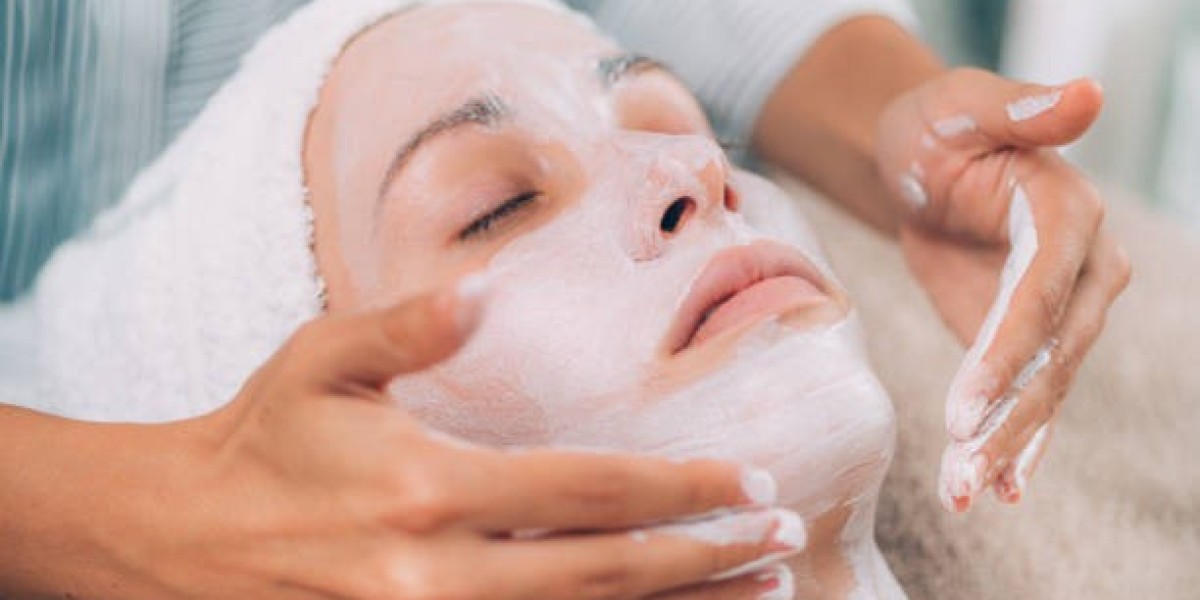

Dark spots and uneven pigmentation can develop for many reasons, including sun exposure, acne, inflammation, hormonal changes, and natural skin aging. Although these concerns are usually harmless, they can make the complexion appear uneven or dull. Glycolic acid peels provide controlled exfoliation that may help improve the appearance of certain superficial dark spots by encouraging the removal of pigmented surface skin cells. Glycolic Acid Peel in Riyadh can be tailored to individual skin concerns following a professional assessment.
What Causes Dark Spots?
Dark spots occur when areas of the skin produce or retain more melanin than the surrounding skin. Several factors can contribute to this process.
Sun Exposure
Ultraviolet radiation can stimulate melanin production and make existing pigmentation more noticeable. Repeated sun exposure can also contribute to the development of new areas of discoloration.
Acne and Inflammation
Breakouts and other inflammatory skin conditions can leave behind flat areas of darker pigmentation after the inflammation has resolved. This is commonly referred to as post-inflammatory hyperpigmentation.
Hormonal Changes
Hormonal influences can contribute to certain pigmentation patterns, including melasma. These concerns often require a carefully selected treatment plan because they can be persistent and may return with sun exposure.
Skin Aging
Changes in the skin associated with aging can contribute to uneven pigmentation and texture. Long-term environmental exposure may also become more visible over time.
How Does Glycolic Acid Work?
Glycolic acid is an alpha hydroxy acid that works primarily on the outer layers of the skin. It helps loosen the bonds between dead skin cells, allowing them to shed through controlled exfoliation.
When superficial pigmented cells are removed, the skin may gradually appear more even in tone. Glycolic acid can also improve surface texture, which may make the complexion look smoother and more radiant.
However, pigmentation does not always exist only on the surface. Deeper or more complex pigmentation may require additional approaches.
How Glycolic Peels Can Improve Dark Spots
Encourages Surface Exfoliation
Dark spots that are partly associated with superficial pigmentation may become less noticeable as pigmented surface cells are shed.
Promotes a More Even-Looking Complexion
Controlled exfoliation can help reduce the contrast between darker areas and surrounding skin, contributing to a more uniform appearance.
Improves Skin Texture
Glycolic acid can remove accumulated dead skin cells, helping the skin feel smoother. Improving texture can also enhance the overall appearance of a complexion affected by discoloration.
Supports Skin Renewal
Regularly shedding older surface cells allows newer skin to become more visible. This gradual process can contribute to a fresher-looking complexion.
Which Dark Spots May Respond?
Glycolic acid peels may be considered for certain superficial pigmentation concerns, including some forms of post-acne discoloration and sun-related uneven tone.
However, not every dark spot responds in the same way. Melasma, deeper pigmentation, raised lesions, or spots with an uncertain cause should be professionally evaluated rather than automatically treated with an exfoliating peel.
A professional can determine whether the pigmentation appears suitable for glycolic acid or whether another approach may be more appropriate.
What Is a Professional Glycolic Acid Peel Like?
Before treatment, the skin is generally cleansed and prepared. A glycolic acid solution is then applied for a controlled period based on the formulation and individual treatment plan.
Mild tingling or warmth may be experienced during application. The solution is then removed or neutralized according to the specific treatment protocol.
The concentration and exposure time are important considerations. Stronger treatment is not necessarily better, and excessive exfoliation can irritate the skin.
Glycolic Acid Peel in Riyadh can be customized according to skin type, pigmentation concerns, sensitivity, and desired results.
What Happens After Treatment?
Temporary redness, dryness, tightness, or mild peeling can occur after a glycolic acid peel. The intensity varies from person to person and depends on the strength of the treatment.
The skin should be treated gently during recovery. Avoid picking or manually removing peeling skin, as this can increase irritation and potentially contribute to further discoloration.
Your provider may also recommend temporarily avoiding certain active ingredients or exfoliating products.
Why Sun Protection Is Essential
Sun protection is particularly important when treating dark spots. UV exposure can stimulate additional melanin production and may make pigmentation more difficult to manage.
Using appropriate broad-spectrum sun protection and limiting prolonged direct exposure can support the results of a pigmentation-focused skincare plan.
Sun protection should remain part of daily skincare even after the skin has recovered from a peel.
Can One Treatment Remove Dark Spots?
Results vary according to the type, depth, and cause of pigmentation. Some superficial discoloration may become less noticeable after a single treatment, while other concerns may require a professionally planned series.
A glycolic acid peel should not be expected to completely remove every type of pigmentation. Genetics, hormonal factors, sun exposure, and underlying skin conditions can influence how the skin responds.
A personalized approach helps establish realistic expectations and determine whether additional treatments may be appropriate.
Who May Be Suitable for Treatment?
A professional glycolic acid peel may be considered for individuals concerned about superficial dark spots, uneven tone, dullness, or rough texture. However, treatment suitability depends on the skin's current condition.
Active irritation, compromised skin, certain inflammatory conditions, or recent cosmetic procedures may require treatment to be postponed.
People with a history of pigmentation changes may also need a particularly cautious treatment plan.
Professional Assessment Matters
Dark spots should not automatically be assumed to be pigmentation that can be treated with an exfoliating peel. A professional assessment can help distinguish between different types of discoloration and determine the most appropriate approach.
Using concentrated acids without appropriate guidance can result in irritation, burns, or unwanted changes in pigmentation. Glycolic Acid Peel in Riyadh should therefore be performed using a carefully selected formulation and treatment plan suited to the individual's skin.
Book Your Appointment at Royal Clinic Saudia
If dark spots or uneven pigmentation are affecting your complexion, a professional assessment can help identify the underlying concern and suitable treatment options. At Royal Clinic Saudia, you can discuss your skin goals and receive personalized guidance based on your skin type and pigmentation pattern. Glycolic Acid Peel in Riyadh may be considered as part of an individualized plan for a smoother and more even-looking complexion.
FAQs:
Can glycolic acid peels reduce dark spots?
They may help improve certain superficial pigmentation by exfoliating the outer layers of the skin and supporting a more even-looking tone.
Are glycolic acid peels suitable for all types of pigmentation?
No. Different types of pigmentation have different causes and may require different treatment approaches.
How many glycolic acid treatments are needed for dark spots?
The number varies according to the type and severity of pigmentation and the individual's skin response. A professional can recommend an appropriate treatment plan.
Is sun protection important after a glycolic acid peel?
Yes. Protecting the skin from UV exposure is important because sunlight can contribute to pigmentation and make dark spots more noticeable.