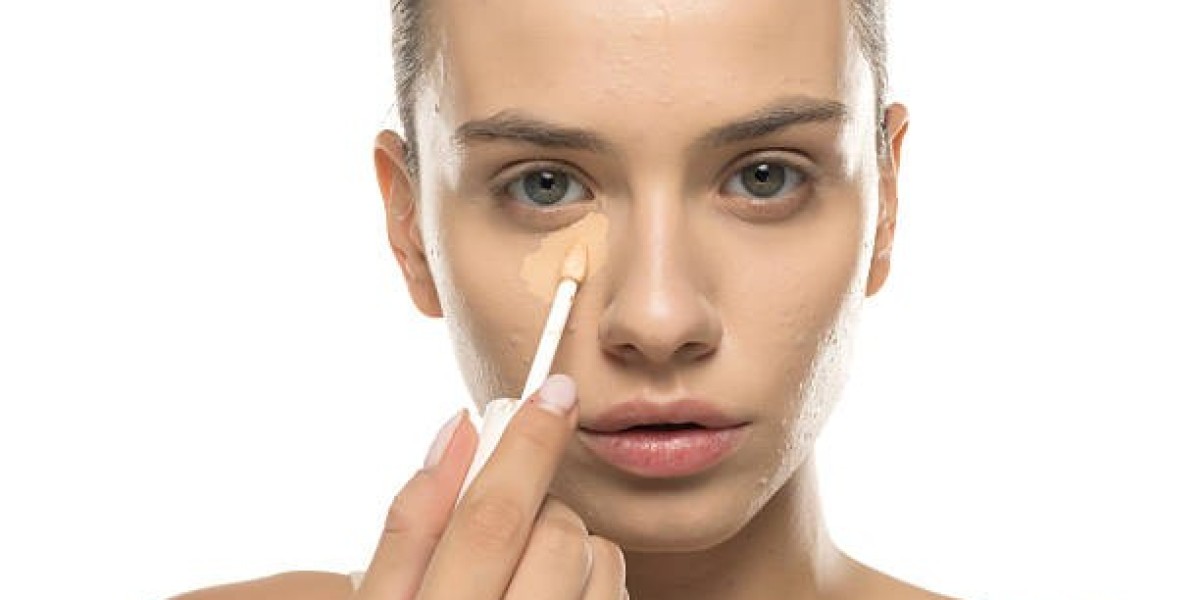

Under-eye dark circles are a common cosmetic concern that can make the face appear tired, dull, or older than it actually is. Although they may look similar, dark circles can develop for different reasons, including pigmentation, visible blood vessels, thinning skin, shadows caused by hollowness, genetics, allergies, and lifestyle factors. Understanding the specific type of dark circles is an important first step toward choosing an appropriate approach. Dark Circles Treatment in Riyadh can be tailored according to the underlying cause, skin condition, and individual facial features rather than treating every type in the same way.
What Are Under-Eye Dark Circles?
Under-eye dark circles refer to a darker appearance beneath or around the eyes. The discoloration may appear brown, gray, blue, purple, or almost black depending on the person's skin tone and the underlying cause. In some cases, the area may look darker because of actual pigmentation, while in others, the appearance comes mainly from shadows created by the natural contours of the face.
The delicate skin around the eyes is thinner than skin in many other areas of the face. This makes changes in pigmentation, blood vessels, volume, and skin texture more noticeable.
Pigmented Dark Circles
Pigmented dark circles occur when increased melanin causes the skin beneath the eyes to appear darker. They may look brown or deeper than the surrounding skin and can be more noticeable in people who naturally develop hyperpigmentation.
Common Causes of Pigmentation
Sun exposure, genetics, hormonal changes, inflammation, and repeated rubbing of the eyes can contribute to increased pigmentation. Individuals with a history of skin irritation around the eyes may also develop persistent discoloration.
Sun protection and gentle skincare can be particularly important for this type. Depending on the skin and the cause, a qualified professional may recommend topical products or selected professional treatments designed to improve uneven pigmentation.
Vascular Dark Circles
Vascular dark circles are associated with visible blood vessels beneath the thin under-eye skin. Because the skin in this area can be very delicate, underlying vessels may become more visible and create a blue, purple, or reddish appearance.
Why Do They Become More Noticeable?
Thin skin, fatigue, aging, genetics, and certain environmental factors can make vascular discoloration more apparent. When the skin becomes thinner with age, the underlying structures may show through more easily.
Treatment depends on the individual's anatomy and the reason the vessels are prominent. Professional assessment is important because the under-eye area is sensitive and requires carefully selected treatment methods.
Structural or Shadow-Related Dark Circles
Not all dark circles are caused by skin discoloration. Sometimes the appearance is created by hollowness beneath the eyes, changes in facial volume, or the natural shape of the eye socket. These contours can produce shadows that make the area look darker.
Under-Eye Hollowness and Tear Troughs
A pronounced tear trough can create a transition between the lower eyelid and cheek that catches light differently. Even when the skin itself is not significantly pigmented, this shadowing can make dark circles appear more prominent.
For suitable individuals, treatments designed to restore or improve under-eye volume may be considered. However, not everyone with dark circles is a candidate for injectable treatments, so an individualized assessment is essential.
Dark Circles Caused by Thin or Aging Skin
As the skin ages, it can gradually lose collagen, elasticity, and thickness. The under-eye area may therefore become more translucent, allowing underlying blood vessels and structures to become easier to see.
Fine lines and changes in skin texture can also contribute to a tired appearance. Treatments that focus on skin quality may be considered when reduced skin firmness or texture is an important part of the concern.
Dark Circles Related to Allergies and Eye Rubbing
Allergies can cause itching, irritation, and frequent rubbing around the eyes. Repeated rubbing may worsen discoloration and inflammation, potentially making the under-eye area appear darker.
Addressing the underlying allergy or irritation can therefore be an important part of improving the appearance. Gentle skincare and avoiding unnecessary rubbing may also help prevent further irritation.
Lifestyle-Related Dark Circles
Poor sleep, dehydration, stress, smoking, and prolonged eye strain may make existing dark circles more noticeable. These factors do not necessarily cause every case of dark circles, but they can contribute to a tired-looking appearance.
Maintaining adequate sleep, drinking enough water, protecting the skin from sunlight, and following a consistent skincare routine can support healthier-looking skin around the eyes.
How Is the Right Treatment Selected?
The appearance of dark circles can involve more than one factor. Someone may have both pigmentation and under-eye hollowness, while another person may primarily have visible vessels or thin skin. For this reason, Dark Circles Treatment in Riyadh should begin with an assessment of the skin, facial structure, pigmentation pattern, and overall eye-area concerns.
Personalized Treatment Approaches
Depending on the cause, a treatment plan may include skincare, sun protection, professional pigmentation treatments, selected laser procedures, skin-quality treatments, or volume correction for appropriate candidates. The goal is to address the contributing factor while maintaining a natural appearance.
What Can You Expect From Treatment?
Results and recovery vary according to the selected treatment and the individual's skin characteristics. Some approaches may require little downtime, while others can involve temporary redness, swelling, sensitivity, or other short-term changes.
Realistic expectations are important because dark circles may have multiple causes and may not disappear completely. Consistent skincare and sun protection can also be important for maintaining improvements.
Book Your Appointment at Royal Clinic Saudia
If you are concerned about persistent under-eye discoloration, a professional assessment can help identify whether pigmentation, visible vessels, hollowness, thin skin, or another factor is contributing to the appearance. At Royal Clinic Saudia, an individualized approach can help determine suitable options for your specific concerns. Dark Circles Treatment in Riyadh can be planned according to your skin condition and desired appearance, with emphasis on safe and natural-looking results.
FAQs:
What are the main types of under-eye dark circles?
The main types include pigmented, vascular, structural or shadow-related, and age-related dark circles. Lifestyle and allergies can also make them more noticeable.
How can I tell what type of dark circles I have?
Color, skin texture, facial structure, and how the darkness changes with lighting can provide clues, but professional assessment is more reliable for identifying contributing factors.
Can one treatment address all types of dark circles?
Not necessarily. Treatment depends on the underlying cause, and some people may have more than one type of dark circle at the same time.
Can dark circles be prevented?
Sun protection, gentle care around the eyes, avoiding frequent rubbing, adequate sleep, hydration, and addressing allergies may help reduce factors that contribute to a darker under-eye appearance.