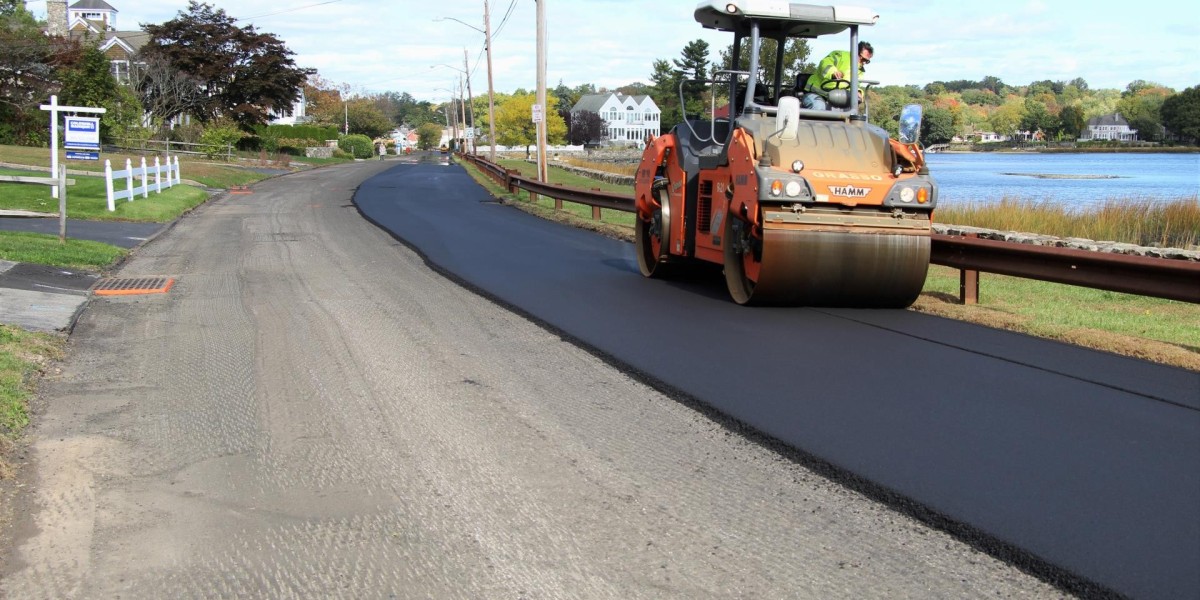

DOT roadwork plays an important role in maintaining roads, highways, streets, and other transportation infrastructure. From pavement repairs and resurfacing to drainage improvements and roadway reconstruction, these projects help keep transportation systems functional and better prepared for everyday traffic.
Road construction requires careful planning, proper materials, experienced crews, and attention to safety. A successful project must also consider traffic patterns, existing infrastructure, weather conditions, drainage, and long-term pavement performance.
What Is DOT Roadwork?
DOT roadwork generally involves transportation-related construction, rehabilitation, repair, and maintenance projects. Depending on the project, work may include asphalt paving, concrete construction, milling, roadway widening, drainage improvements, curb installation, and pavement rehabilitation.
Public roadway projects can range from small maintenance operations to major highway construction. Professional road contractors often perform specialized work according to transportation department plans, specifications, and inspection requirements.
Asphalt Paving and Resurfacing
Asphalt is widely used for road construction and rehabilitation because it can provide a durable driving surface when properly designed and installed. DOT projects may involve removing deteriorated pavement, preparing the existing surface, placing new asphalt layers, and compacting the material to meet project requirements.
Resurfacing can improve a roadway that has developed cracking, surface deterioration, or other signs of wear. In more severely damaged areas, deeper reconstruction may be required.
Proper preparation is essential. Transportation specifications commonly address surface preparation, asphalt placement, compaction, thickness, joints, and quality control.
Roadway Reconstruction
Some roads require more than a new surface layer. When pavement or underlying materials have significant structural problems, a DOT roadwork project may involve full-depth reconstruction.
This can include removing existing pavement, improving the subgrade, installing aggregate base materials, upgrading drainage, and constructing new asphalt or concrete pavement.
Reconstruction provides an opportunity to address underlying problems rather than simply covering visible pavement damage.
Drainage and Concrete Work
Effective drainage is an important part of roadway construction. Water that remains beneath or around pavement can contribute to deterioration and other infrastructure problems.
DOT projects may therefore include storm drainage systems, catch basins, culverts, gutters, curbs, and related concrete structures. Proper grading and drainage help direct water away from the roadway and surrounding areas.
Concrete may also be used for intersections, curbs, gutters, sidewalks, pads, and other components of transportation infrastructure.
Milling and Pavement Rehabilitation
Milling removes a controlled depth of existing asphalt before new pavement is installed. This process can help restore roadway elevation, improve surface conditions, and prepare the pavement for resurfacing.
Depending on the project's requirements, milling may be combined with patching, crack treatment, base repairs, and new asphalt installation. Proper sequencing helps ensure that each stage is completed before the next layer is placed.
Traffic Management and Work Zones
Road construction often takes place while vehicles continue using nearby lanes. Traffic management is therefore a major consideration during DOT roadwork.
Work zones may require temporary lane closures, traffic shifts, barriers, signs, pavement markings, and controlled access. Transportation research has found that roadwork zones can reduce vehicle speeds, create congestion, and increase maneuvering challenges, making effective work-zone management important.
Contractors must coordinate construction activities while maintaining appropriate access and protecting workers and road users.
Choosing a DOT Roadwork Contractor
Government transportation projects require contractors with appropriate experience, equipment, technical knowledge, and project-management capabilities. Before selecting a contractor, project owners can consider experience with similar roadway work, knowledge of transportation specifications, safety procedures, quality-control practices, and the ability to meet project schedules.
A capable contractor should also understand asphalt paving, concrete work, drainage, grading, milling, excavation, and site preparation when these services are included in the project.
Long-Term Roadway Maintenance
Road maintenance does not end when a construction project is completed. Regular inspections can help identify potholes, cracking, drainage problems, worn pavement markings, and other developing issues.
Timely maintenance can help address smaller problems before they require more extensive reconstruction. Depending on pavement conditions, maintenance may include patching, crack sealing, milling, resurfacing, drainage improvements, or full-depth repairs.
DOT roadwork is essential for maintaining dependable transportation infrastructure. Whether a project involves asphalt resurfacing, roadway reconstruction, milling, drainage improvements, concrete construction, or traffic management, careful planning and professional execution are essential.
With appropriate materials, experienced crews, proper site preparation, and consistent quality control, transportation projects can create roadways designed to support safe and reliable travel for years to come.