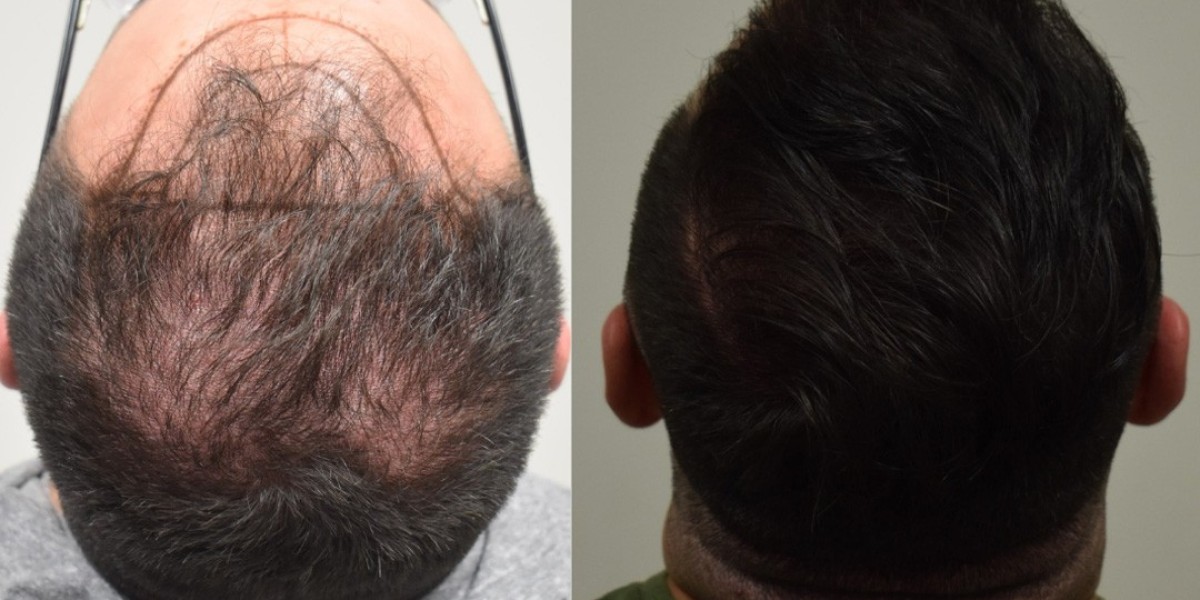

Hair loss can affect confidence and appearance, leading many people to explore newer approaches to hair restoration. Among the treatments receiving growing attention is stem cell hair growth in New York. Regenerative medicine is being studied for its potential to support hair follicles, improve hair density, and encourage healthier hair growth.
While early research is encouraging, stem cell-based hair treatments are still developing. Results can vary depending on the cause of hair loss, treatment method, and individual response.
Understanding Stem Cell Hair Restoration
Stem cell-based hair restoration focuses on biological processes involved in follicle activity and tissue repair. Researchers are studying different cellular and cell-derived approaches, including hair follicle-derived cells, adipose-derived treatments, stromal vascular fractions, and other regenerative materials.
A 2026 systematic review examined clinical research involving several regenerative approaches for androgenetic alopecia. The review found promising results across different methods but also highlighted differences between treatment protocols and the need for larger studies and longer follow-up.
Why Consider Stem Cell Hair Growth in New York?
New York has a large medical and dermatology community, giving patients access to physicians and specialized hair-restoration practices that may offer or evaluate regenerative treatments.
People searching for stem cell hair growth in New York may be interested in minimally invasive approaches that aim to support existing follicles rather than relying exclusively on traditional surgical restoration.
However, the term “stem cell treatment” can describe very different procedures. Patients should ask a provider exactly what biological material is being used and what clinical evidence supports the proposed treatment.
Potential Applications for Hair Loss
Regenerative hair research has primarily focused on conditions such as androgenetic alopecia, commonly known as pattern hair loss. Researchers are investigating whether regenerative approaches can influence follicular activity and improve measures such as hair density and thickness.
A 2026 review in the Journal of the American Academy of Dermatology notes that regenerative technologies are being investigated for follicular restoration, but many remain experimental and face challenges involving standardized protocols, characterization, and long-term safety data.
This makes a proper diagnosis especially important before selecting a treatment.
Stem Cells and PRP for Hair Growth
PRP and stem cell-based approaches are sometimes discussed together because both are part of the broader field of regenerative hair restoration. PRP uses a patient's own blood-derived platelets, while stem cell-based procedures can involve different types of cells or cell-derived materials.
These treatments should not be considered identical. Their preparation methods, biological mechanisms, research evidence, and regulatory considerations can differ substantially.
Some clinical studies have reported improvements in hair density with regenerative approaches, but researchers continue to evaluate how long these results last and which patients are most likely to benefit.
The Importance of a Hair Loss Evaluation
Before considering stem cell hair growth in New York, patients should identify the underlying cause of their hair loss. Pattern hair loss, alopecia areata, nutritional deficiencies, hormonal changes, scalp disorders, and other conditions can produce different symptoms and require different management.
A qualified dermatologist or hair-restoration specialist can evaluate the scalp, review medical history, and determine whether additional testing is appropriate.
An individualized assessment can also help distinguish between established treatments and emerging regenerative options.
Choosing a Regenerative Hair Treatment Provider
When researching stem cell hair treatments, consider several important factors. Ask about the provider's medical qualifications, the exact procedure being offered, the source and type of cells or biological material, expected outcomes, possible side effects, and available clinical evidence.
It is also useful to ask whether the treatment is part of an established clinical protocol or remains investigational. Be cautious of providers making guaranteed claims about permanent hair regrowth.
A transparent consultation should explain both the potential advantages and the limitations of the treatment.
The Future of Hair Regeneration
Stem cell research may eventually contribute to new approaches for hair restoration. Current research is examining stem cells, extracellular vesicles, growth factors, and other regenerative technologies to better understand how hair follicles develop and cycle.
Recent research reviews describe these therapies as promising but emphasize the need for standardized treatment methods, larger clinical trials, and longer-term safety evaluation.
As research develops, future treatments may become more targeted and personalized.
Stem cell hair growth in New York is part of a rapidly developing field of regenerative hair restoration. Research suggests that certain stem cell and cell-derived approaches may support hair density and follicular activity, but many treatments remain under investigation.
For anyone considering regenerative hair restoration, professional diagnosis, realistic expectations, and careful evaluation of the scientific evidence are essential. With continued research, stem cell-based technologies may become an increasingly important part of the future of hair restoration.