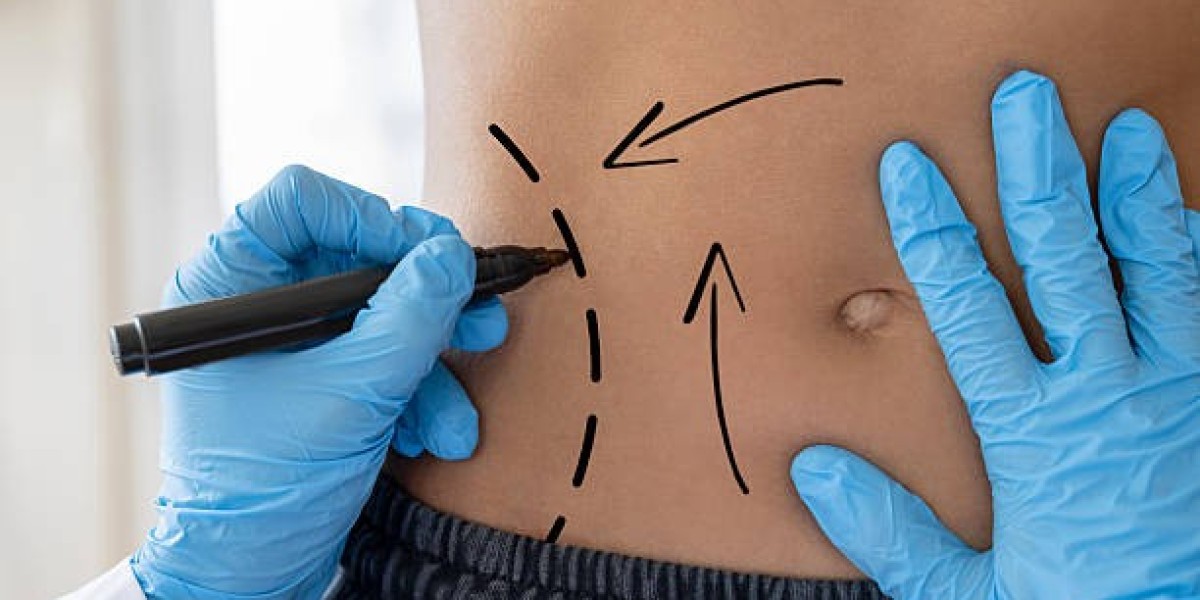

Liposuction and weight loss can both change body shape, but they serve different purposes. Weight loss generally involves reducing overall body weight through changes in nutrition, physical activity, lifestyle, or medical treatment. Liposuction, on the other hand, is a surgical body-contouring procedure that removes localized fat from selected areas. Understanding this distinction is important when considering a Liposuction procedure in Riyadh (عملية شفط الدهون في الرياض), particularly if your main goal is reducing overall body weight.
What Is Liposuction?
Liposuction is designed to reshape specific areas where localized fat deposits remain despite healthy lifestyle efforts. A surgeon uses a cannula to loosen and remove targeted fat through small incisions. Common treatment areas can include the abdomen, thighs, hips, arms, back, and other areas depending on individual anatomy and treatment goals.
The Main Goal of Liposuction
The primary objective is contouring rather than achieving a specific number on the scale. By selectively reducing fat in certain areas, liposuction may improve body proportions and create a more defined appearance. It is not intended to replace a healthy diet, exercise routine, or appropriate medical weight-management program.
What Is Weight Loss?
Weight loss refers to a reduction in overall body weight. It can occur when the body uses more energy than it receives over time, although the most appropriate approach varies between individuals. Weight loss can involve reductions in body fat as well as changes in other components of body weight.
How Weight Loss Changes the Body
When a person loses weight, fat may decrease across multiple areas rather than only in one selected region. The amount and location of fat loss can vary according to genetics, hormones, lifestyle, age, and other factors. Significant weight loss may also affect skin elasticity and overall body proportions.
Liposuction Does Not Treat General Obesity
Liposuction is generally not considered a treatment for obesity or a substitute for substantial weight reduction. People with significant excess weight may benefit from discussing weight-management options with an appropriate healthcare professional before considering body-contouring surgery.
When Liposuction May Be Considered
Liposuction may be suitable for adults who are near a stable, healthy weight but have localized areas of fat that are resistant to diet and exercise. A consultation allows a surgeon to assess body composition, skin quality, medical history, and treatment goals before determining whether the procedure is appropriate.
How Are the Results Different?
Weight loss generally affects the body more broadly, while liposuction targets specific areas. For example, a person who loses weight through lifestyle changes may experience reductions in several body regions. Someone undergoing liposuction may see a more noticeable contour change in the particular areas treated.
Changes on the Scale
Because liposuction focuses on body contouring rather than overall weight reduction, the number on the scale may not change dramatically. The visual improvement can be more significant than the actual change in body weight, particularly when smaller localized areas are treated.
Can Liposuction Replace Diet and Exercise?
No. Liposuction does not replace healthy lifestyle habits. Regular physical activity and balanced nutrition remain important for maintaining overall health and supporting stable body weight after treatment.
Why Weight Stability Matters
Significant weight gain after liposuction can enlarge the fat cells that remain in the body and alter the contours achieved through treatment. Maintaining a relatively stable weight can therefore help preserve the results over time.
What About Weight Loss Before Liposuction?
Some patients may be advised to reach a stable weight before undergoing liposuction. This can make it easier for the surgeon to assess localized fat deposits and develop an appropriate contouring plan. The ideal timing depends on individual circumstances and should be discussed during consultation.
Weight Loss After Liposuction
Losing weight after liposuction is possible, but substantial weight changes can alter the treated and untreated areas. If you are planning significant weight loss, discuss your goals with your surgeon so the treatment can be appropriately timed.
Does Liposuction Remove More Fat Than Weight Loss?
The two processes should not be compared simply by the amount of fat removed or lost. Weight loss is a gradual change in overall body composition, while liposuction involves surgically removing selected fat deposits. The amount removed during liposuction is determined according to safety, anatomy, and contouring goals rather than a target weight-loss number.
Safety Comes First
Removing more fat does not automatically create better results. Surgeons consider the treatment area, overall health, skin characteristics, and other factors when determining an appropriate surgical plan. Extensive procedures may require additional precautions or, in some cases, staging.
Can Liposuction Help After Major Weight Loss?
Liposuction can sometimes be considered for localized fat that remains after substantial weight loss. However, excess skin may be a more significant concern for some people following major weight reduction. Liposuction removes fat but does not remove large amounts of loose skin, so another type of body-contouring procedure may be discussed when appropriate.
Which Approach Is Right for You?
The appropriate approach depends on your primary goal. If you want to reduce overall body weight, a medically appropriate weight-management strategy may be more relevant. If you are already near a stable weight and are concerned about specific localized fat deposits, liposuction may be worth discussing with a qualified surgeon.
Start With a Professional Assessment
A consultation can help distinguish between concerns related to overall weight, localized fat, loose skin, or body proportions. Your medical history, goals, and physical characteristics can then be considered when developing an individualized plan following a Liposuction procedure in Riyadh.
Book an Appointment at Royal Clinic Saudia
If you are unsure whether liposuction or a weight-management approach better matches your goals, Royal Clinic Saudia (عيادات رويال كلينك) can provide a personalized consultation. A qualified specialist can assess your concerns, explain the available options, and discuss realistic expectations for body contouring and recovery.
FAQs:
Is liposuction a weight-loss procedure?
No. Liposuction is primarily a body-contouring procedure that removes localized fat deposits. It is not designed to treat obesity or replace a comprehensive weight-management plan.
Can I lose weight with liposuction?
Some weight may be lost because fat tissue is removed, but the main purpose is improving body contours rather than producing substantial overall weight reduction.
Should I lose weight before liposuction?
Some patients may benefit from reaching a stable weight before treatment, particularly when they have significant excess weight. Your surgeon can advise whether weight loss should occur before body contouring.
Can I gain weight after liposuction?
Yes. Remaining fat cells can enlarge with weight gain, potentially changing your body contours. Maintaining a relatively stable weight can help support long-term results.