
Laser tattoo removal does not end when the treatment session is complete. Proper recovery and gentle skincare are important because the treated area needs time to heal while the body gradually clears fragmented tattoo pigment. If you are considering Laser Tattoo Removal in Riyadh (إزالة الوشم بالليزر في الرياض), understanding appropriate aftercare can help you protect the treated skin and support a smoother recovery process.
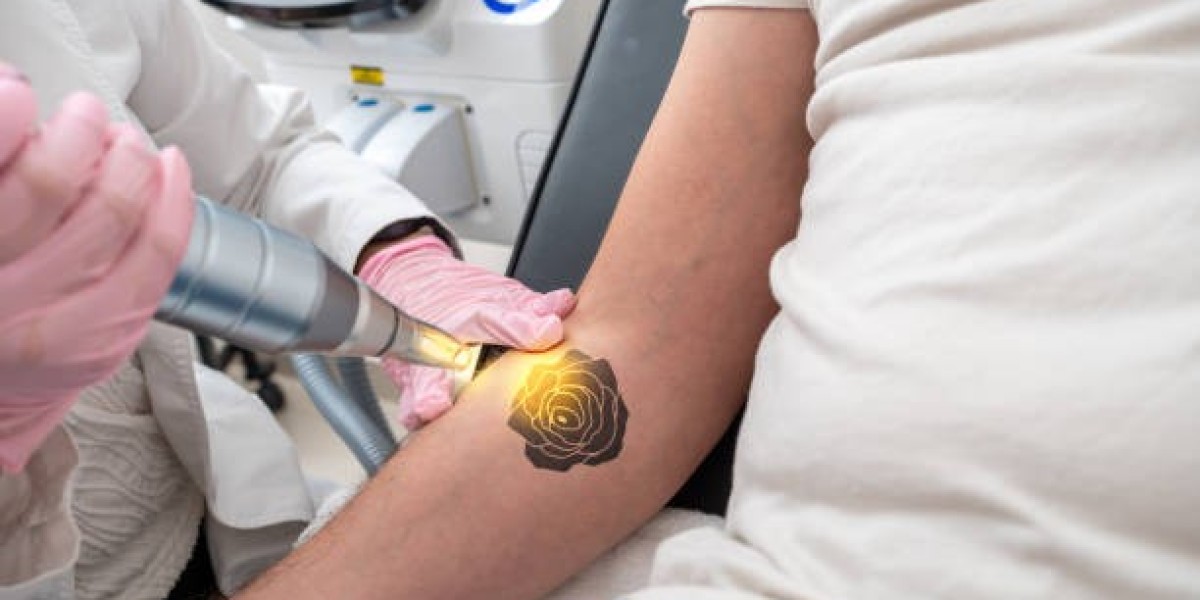
After treatment, the skin may temporarily appear red, swollen, tender, or sensitive. Some people may also develop blistering or crusting. During Laser Tattoo Removal in Riyadh, the laser targets tattoo pigment with short pulses of energy, breaking the ink into smaller particles that the body gradually processes. Because this process continues after the appointment, caring for the skin between sessions is an important part of the overall treatment journey.
What to Expect Immediately After Treatment
Temporary Redness and Swelling
Mild redness and swelling around the treated tattoo can occur after laser treatment. The intensity and duration vary depending on the tattoo, treatment area, laser settings, and individual skin response.
Tenderness and Sensitivity
The treated area may feel warm, tender, or sensitive for a period after the session. Follow the instructions provided by your healthcare professional rather than applying products that have not been recommended.
Blistering or Crusting
Some patients may develop blisters or crusts as the skin heals. These should be allowed to heal naturally. Picking or scratching can interfere with recovery and may increase the risk of scarring or infection.
Keep the Treated Area Clean
Gentle hygiene is an important part of recovery. Follow your specialist's instructions for cleaning the area and avoid unnecessary rubbing or pressure.
When drying the skin, avoid vigorous rubbing. Pat the area gently if your aftercare instructions allow normal washing.
Avoid Picking or Scratching
It can be tempting to remove crusts or scratch an itchy area while the skin is healing. However, interfering with the treated skin can delay recovery and potentially increase the risk of complications.
Allow blisters, crusts, or scabs to resolve naturally unless your healthcare professional provides different instructions.
Protect the Skin From Sun Exposure
Sun protection is particularly important after laser treatment. Recently treated skin can be more vulnerable to unwanted pigmentation changes.
Avoid excessive direct sunlight on the treated area and follow your specialist's recommendations regarding protective clothing and suitable sun protection once the skin is ready for topical products.
Avoid Unnecessary Skin Irritation
During recovery, avoid activities and products that may irritate the treated area. Harsh exfoliants, aggressive scrubbing, and unapproved skincare products can make sensitive skin more uncomfortable.
Keep your routine gentle and use only products recommended by your healthcare professional when the area is healing.
Be Careful With Exercise and Friction
Your specialist may recommend temporarily modifying activities depending on the tattoo's location and the condition of the treated skin.
Activities that cause significant sweating, friction, pressure, or contact with potentially contaminated surfaces may need to be limited while the skin is healing. Follow personalized instructions based on the treatment area.
Do Not Expect Immediate Tattoo Removal
Laser tattoo removal produces gradual fading rather than instant disappearance. The laser fragments tattoo pigment, after which the body's natural processes gradually clear some of those particles.
The tattoo can therefore continue to fade after the treatment session. The visible appearance immediately following treatment does not necessarily represent the final response to that session.
Why Treatment Intervals Matter
The skin needs adequate time to recover before another laser session is considered. The body also needs time to process fragmented pigment.
Treatment intervals should therefore be based on skin healing and individual response rather than trying to schedule sessions as frequently as possible. With Laser Tattoo Removal in Riyadh, your specialist can assess the treated area and determine when another session may be appropriate.
Skin Care Between Sessions
Keep Your Routine Gentle
Use a simple skincare routine around the treated area and avoid unnecessary exfoliation or irritating ingredients until the skin has recovered.
Maintain Skin Hydration
Once the skin has healed sufficiently, maintaining normal skin hydration may support general skin comfort. Use products recommended by your healthcare professional if the treated area remains sensitive.
Continue Sun Protection
Protecting the area from excessive sunlight remains important between sessions. Consistent sun protection can help reduce the risk of unwanted pigmentation changes in recently treated skin.
Signs That Require Professional Attention
Some temporary redness, swelling, tenderness, and sensitivity can occur after treatment. However, contact your healthcare provider if you experience symptoms that are severe, worsening, or unusual.
Seek professional advice if you notice significant or increasing pain, spreading redness, substantial swelling, unusual discharge, or other concerning changes. Prompt assessment can help determine whether additional care is needed.
Factors That Can Affect Recovery
Recovery is not identical for everyone. Several factors can influence how the skin responds, including:
- Tattoo size and location
- Ink color and density
- Pigment depth
- Laser settings
- Skin type and pigmentation
- Individual healing response
- Previous tattoo treatments
- Aftercare practices
Following personalized instructions is therefore more useful than comparing your recovery directly with someone else's experience.
How to Support the Overall Treatment Process
Healthy general habits and appropriate skin care can support your body's normal healing processes. Protect the treated area, avoid unnecessary irritation, attend recommended follow-up appointments, and communicate any unusual reactions to your healthcare provider.
Remember that successful tattoo fading depends on many factors beyond aftercare. No specific skincare routine can guarantee complete tattoo removal.
Book Your Appointment at Royal Clinic Saudia
If you are considering tattoo removal, Royal Clinic Saudia (عيادات رويال كلينك) can assess your tattoo and skin characteristics and explain the treatment and recovery process. A personalized consultation can help you understand appropriate aftercare and realistic expectations for gradual tattoo fading.
FAQs:
How long does redness last after laser tattoo removal?
Redness can occur temporarily after treatment, but its duration varies according to the individual and treatment response.
Can I pick the crusts after laser tattoo removal?
No. Picking or scratching can interfere with healing and may increase the risk of scarring or infection.
Can I go into direct sunlight after treatment?
Avoid excessive sun exposure and follow your specialist's recommendations for protecting the treated area during recovery.
Will my tattoo continue fading after the session?
Yes. The body can continue clearing fragmented pigment after treatment, so fading may continue between sessions.