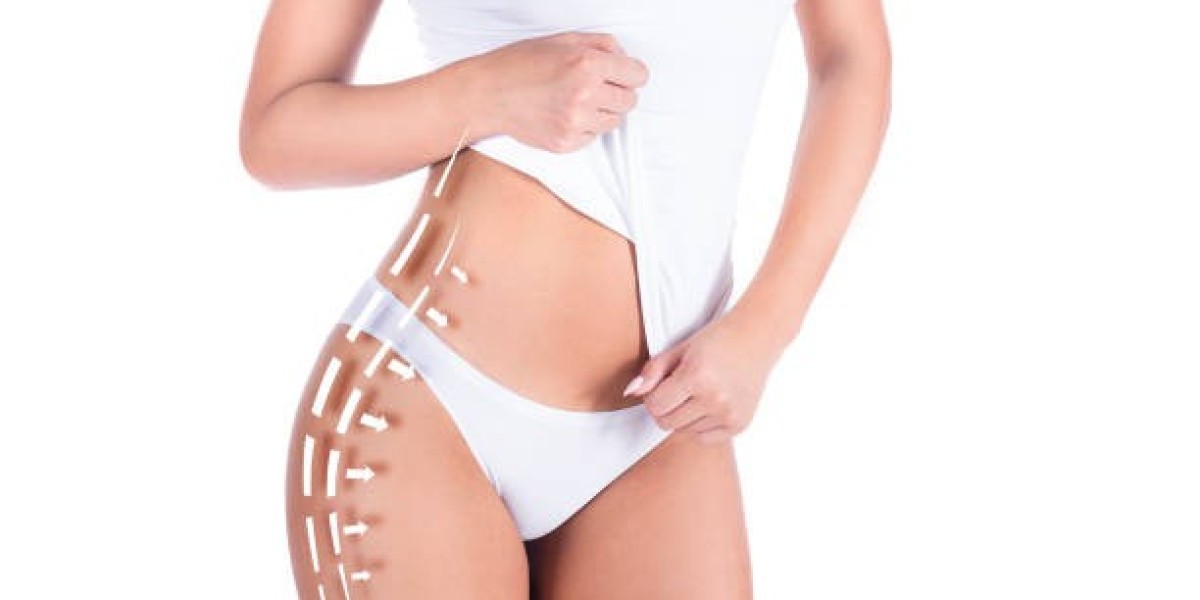

Significant weight loss can bring meaningful changes to body shape, but it may also leave behind loose skin, reduced skin elasticity, or areas of localized fat. These concerns can remain even after reaching a healthier weight and maintaining regular exercise. Body Contouring Procedure in Riyadh (نحت الجسم في الرياض) may help reshape selected areas by removing excess skin, reducing localized fat, or improving overall body proportions after weight loss.
Body contouring after weight loss is different from a weight-loss treatment. The focus is on reshaping areas that have changed because of substantial weight reduction. Body Contouring Procedure in Riyadh can involve different surgical or non-surgical approaches depending on the amount of excess skin, fat distribution, skin quality, and the patient's overall health.
Why Loose Skin Can Remain After Weight Loss
When the body gains weight, the skin stretches to accommodate the increased volume. After substantial weight loss, the skin may not completely contract to its previous size, particularly when it has lost some elasticity.
Loose skin can occur on the abdomen, arms, thighs, back, hips, or other areas. The extent varies from person to person and can be influenced by factors such as age, genetics, the amount of weight lost, how quickly weight was reduced, and skin elasticity.
Why Stable Weight Matters
Reaching a stable weight is an important consideration before body contouring. Continued significant weight loss after a contouring procedure can change the treated areas and affect the appearance of the results.
People considering surgical body contouring are generally encouraged to maintain a relatively stable weight before treatment. The appropriate timing depends on individual circumstances and should be discussed during a professional consultation.
Common Areas Treated After Weight Loss
Abdomen
The abdomen is one of the most frequently considered areas after major weight loss. Excess abdominal skin can hang over the lower abdomen and may not respond to exercise.
A tummy tuck can remove selected excess skin and reshape the abdominal area. In appropriate cases, separated abdominal muscles may also be repaired as part of the procedure.
Arms
Significant weight loss can leave loose skin along the upper arms. When excess skin is the main concern, an arm lift may be considered to remove selected tissue and improve the contour of the upper arm.
Thighs
The inner and outer thighs can also develop loose skin following major weight reduction. Depending on the location and extent of excess tissue, a thigh lift or another contouring approach may be considered.
Hips and Back
Weight loss can sometimes leave excess skin around the hips, flanks, or back. Treatment planning for these areas depends on the distribution of excess tissue and how it affects overall body proportions.
Body Contouring Is Not a Weight-Loss Treatment
Body contouring should not be viewed as a replacement for weight management. Procedures such as liposuction are designed to reshape localized areas rather than produce significant overall weight loss.
Similarly, skin-removal procedures address excess tissue rather than treating the underlying causes of weight gain. Maintaining a healthy lifestyle remains important both before and after treatment.
Choosing Between Skin Removal and Fat Reduction
The most suitable procedure depends on what remains after weight loss. If loose skin is the primary concern, a skin-removal procedure may be more appropriate than fat reduction alone.
If localized fat remains and the skin has sufficient elasticity, liposuction may be considered. Some patients have both excess skin and localized fat, and a combination of techniques may be appropriate in selected cases.
What Happens During the Consultation?
A consultation allows the surgeon to evaluate the areas affected by weight loss and determine which treatment options may be suitable. Skin elasticity, excess tissue, fat distribution, body proportions, and previous surgeries may be assessed.
The patient's medical history, medications, lifestyle factors, and weight-loss journey may also be discussed. Patients should explain their expectations clearly so that the treatment plan can be based on realistic goals.
Preparing for Body Contouring After Weight Loss
Preparation depends on the procedure being considered. Surgical patients may receive instructions regarding medications, supplements, smoking or nicotine use, nutrition, and activity before treatment.
Good nutritional status can be particularly important after major weight loss. If nutritional deficiencies are present, they may need to be addressed before elective surgery. The medical team can provide individualized guidance based on the patient's health.
Recovery After Body Contouring
Recovery varies according to the procedure and the amount of tissue treated. Surgical body contouring can involve swelling, bruising, discomfort, tightness, temporary changes in sensation, and activity restrictions.
Patients may receive instructions about wound care, compression garments, movement, bathing, and follow-up appointments. Strenuous exercise and heavy lifting may need to be restricted during the early healing period.
Scars and Skin Removal
One important consideration after weight loss is that surgical skin removal involves incisions and therefore creates scars. Surgeons generally place incisions strategically where possible, but the appearance of scars varies between individuals.
Scar maturation takes time, and proper postoperative care can support the healing process. Patients should discuss expected incision locations and scar management during consultation.
Maintaining Results After Treatment
Body contouring can provide long-lasting changes to treated areas, but it cannot stop future changes in body weight or aging. Significant weight gain or loss can alter the contours created by surgery.
Maintaining a relatively stable weight, following a balanced diet, and staying physically active after recovery can help support the results over time.
Understanding Potential Risks
Body contouring surgery carries potential risks, including bleeding, infection, fluid accumulation, wound-healing problems, scarring, changes in sensation, asymmetry, and complications related to anesthesia.
The level of risk depends on factors such as the patient's health, the extent of surgery, the number of areas treated, and whether multiple procedures are combined. A detailed medical assessment is important before treatment.
Setting Realistic Expectations
Body contouring after weight loss can improve the appearance and proportions of areas affected by excess skin or localized fat, but it cannot guarantee a particular body shape. Natural anatomy, skin quality, healing, and lifestyle all influence the final outcome.
Body Contouring Procedure in Riyadh can be personalized for patients who have reached a relatively stable weight and want to address specific concerns remaining after weight reduction. Understanding the benefits, limitations, recovery, and potential risks can help patients approach treatment with realistic expectations.
Book Your Appointment at Royal Clinic Saudia
If you have experienced significant weight loss and are considering body contouring, Royal Clinic Saudia (عيادات رويال كلينك) can provide a personalized consultation. A professional assessment can help identify the areas that may benefit from treatment and explain suitable options based on your individual needs.
FAQs:
How long should I wait after weight loss before body contouring?
The appropriate timing varies, but reaching a relatively stable weight is generally an important consideration before elective contouring surgery.
Can body contouring remove all loose skin after weight loss?
Surgical procedures can remove selected excess skin, but the amount that can be safely removed depends on individual anatomy and the treatment area.
Can liposuction help after major weight loss?
Liposuction may be appropriate for selected areas of localized fat when skin elasticity is sufficient. It does not primarily treat significant loose skin.
Will body contouring prevent future weight gain?
No. Body contouring reshapes treated areas but does not prevent future changes in body weight.