
Early hair loss can be difficult to notice at first. You may see more hair on your pillow, a widening part, a slightly receding hairline, or increased scalp visibility around the crown. Addressing changes early can encourage a proper evaluation of the underlying cause. prp in riyadh is a non-surgical option that may help support existing hair follicles in selected cases of early thinning.
For people noticing the first signs of hair loss, understanding the potential role of PRP Hair Treatment in Riyadh can help with informed treatment planning. PRP uses platelet-rich plasma prepared from the patient’s own blood and delivers it directly to targeted areas of the scalp. Its purpose is to support the activity of existing follicles rather than create new ones.
Recognizing the Early Signs of Hair Loss
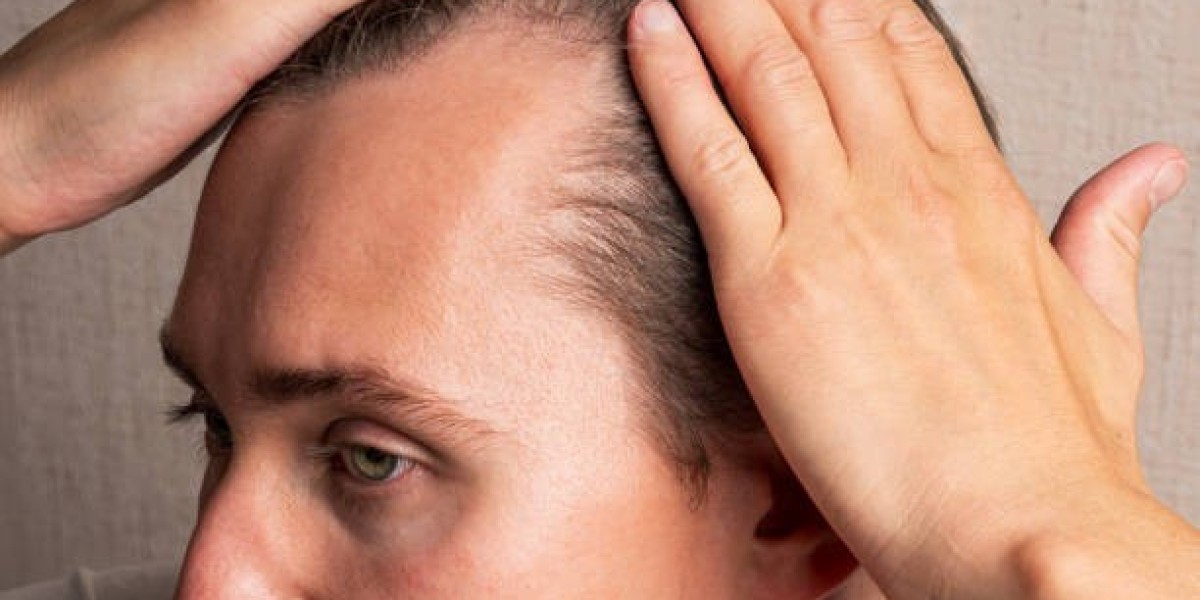
Hair loss does not always begin with obvious bald patches. Early changes can include increased shedding, finer hair strands, reduced volume, a receding hairline, or greater visibility of the scalp.
Men commonly experience thinning around the temples and crown, while women may notice reduced density across the top of the scalp or a widening part. However, patterns can vary, which is why professional evaluation is useful when persistent changes appear.
Why Early Evaluation Matters
Hair thinning can have several causes. Hereditary pattern hair loss is common, but shedding may also be associated with stress, nutritional deficiencies, hormonal changes, medications, scalp conditions, or certain medical disorders.
Determining the cause before treatment helps establish whether PRP is appropriate. When hair follicles are still viable, supporting their function may be more relevant than waiting until extensive follicular loss has occurred.
How PRP May Help Early Thinning
PRP is prepared by drawing a small blood sample and processing it to concentrate platelets. These platelets contain growth factors and signaling proteins involved in tissue repair and cellular processes.
The prepared plasma is injected into selected areas of the scalp. These components may influence the local follicular environment and potentially support hair thickness and growth in some patients. Research has shown promising results for certain forms of hair loss, although responses are not uniform.
Who May Be Considered for PRP?
PRP may be considered for individuals experiencing certain forms of early hair thinning where functioning follicles remain. It may be particularly relevant for some cases of pattern hair loss.
However, suitability depends on the cause and characteristics of the hair loss. PRP is not a universal treatment and may not be appropriate when follicles have been permanently destroyed or when another condition requires specific medical management.
What Happens During Treatment?
The process usually begins with a consultation and scalp assessment. If PRP is considered suitable, a small amount of blood is collected and processed to separate the platelet-rich plasma.
The prepared PRP is then administered through targeted injections into areas experiencing thinning. The technique and injection pattern depend on the patient’s individual hair-loss distribution and the treatment protocol.
What to Expect After the Procedure
Some patients experience temporary redness, tenderness, swelling, bruising, or mild discomfort around the injection sites. These effects generally settle with time, although individual recovery experiences differ.
Following the aftercare instructions provided by the treating professional is important. Patients should ask when they can wash their hair, exercise, or return to specific scalp-care routines after treatment.
When Can You Expect Improvement?
PRP does not provide immediate hair growth. Hair follicles follow natural growth cycles, so potential changes develop progressively.
Some patients may notice improvements in hair thickness or density over time, while others may have a more modest response. The outcome depends on factors such as the cause of hair loss, follicle condition, severity of thinning, treatment protocol, and individual biology.
How Many Sessions May Be Recommended?
A course of PRP may involve multiple treatment sessions, depending on the patient’s condition and response. There is no universal schedule because treatment plans are personalized.
Follow-up appointments can help assess changes in hair density and determine whether additional treatment may be appropriate.
PRP Compared With Hair Transplantation
PRP and hair transplantation address hair loss in different ways. PRP aims to support existing follicles, while transplantation involves surgically moving follicles from a donor area to areas with insufficient hair.
For early hair loss, a professional may first assess whether existing follicles can be supported through non-surgical approaches. If hair loss progresses or follicles are no longer viable, other restoration options may be discussed.
Supporting Hair Health During Early Hair Loss
Professional treatment can be complemented by healthy lifestyle habits. Eating a balanced diet with adequate nutrients, managing ongoing stress, caring for the scalp, and addressing identified nutritional or medical issues can support general hair health.
It is also important to avoid self-diagnosing persistent hair loss. If shedding continues or becomes more noticeable, professional evaluation can help identify the underlying cause.
Setting Realistic Expectations
Early treatment does not guarantee that hair loss will stop or that previous density will be completely restored. PRP may provide benefits for selected patients, but individual responses vary.
A personalized assessment can help determine whether PRP Hair Treatment in Riyadh fits the patient’s specific condition and whether other treatments should be considered alongside it.
Book Your Appointment at Royal Clinic Saudia
If you have noticed early signs of thinning or increased shedding, a professional assessment can help you understand the possible cause and available treatment options. Royal Clinic Saudia can evaluate your hair and scalp concerns and develop a treatment approach suited to your individual needs.
FAQs:
Is PRP suitable for early hair loss?
It may be considered when viable hair follicles remain and the underlying cause is appropriate for PRP treatment.
Can PRP prevent future hair loss?
PRP may support existing follicles in some patients, but it cannot guarantee that future hair loss will be prevented.
Does PRP work immediately?
No. Any improvement generally develops gradually as hair follicles progress through their natural growth cycles.
Can PRP restore permanently lost follicles?
No. PRP cannot reliably recreate follicles that have been permanently lost.