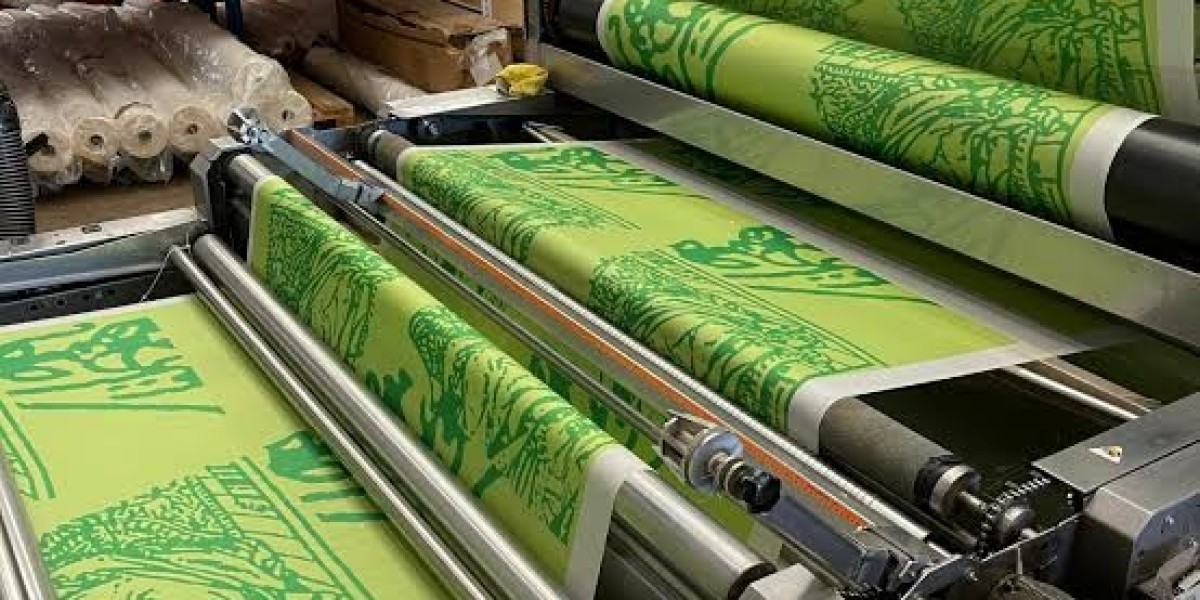

Digital printing on fabric is a textile production method in which digital artwork is transferred directly onto fabric using specialized inkjet printing equipment. The technique allows manufacturers to reproduce patterns, illustrations, photographs, logos, and other artwork without preparing conventional printing screens for every color. It has become useful in clothing, home furnishings, promotional textiles, and customized products.
The growing use of digital printing on fabric is linked to its ability to handle detailed designs and flexible production quantities. A manufacturer can alter a digital file, print a sample, and make adjustments before moving to larger production. The quality of the finished textile depends on several technical factors, including fiber composition, ink selection, pretreatment, color management, printing conditions, and post-printing fixation.
What Is Digital Printing on Fabric?
Digital fabric printing uses computer-controlled printheads to apply very small droplets of ink onto a textile surface. The printer reads a digital artwork file and determines where each droplet should be placed. Multiple colors are combined to reproduce the required image or pattern.
Unlike screen printing, there is no need to create a separate screen for each color in the design. This makes digital printing particularly useful for artwork containing photographs, detailed illustrations, fine lines, shadows, and smooth color transitions.
The printing system must be matched to the fabric. Cotton and other cellulose fibers can be printed with reactive dyes or suitable pigment inks. Polyester is commonly printed with disperse dyes, while acid dyes are used for materials such as silk, wool, and nylon. Pigment systems can be used with various textile types when the correct binder and curing conditions are applied.
How Does Digital Fabric Printing Work?
Design Preparation
The first step is preparing the artwork in a digital format. Designers may create a new pattern using graphic software or prepare an existing image for textile production.
The file should have sufficient resolution for the intended print size. Designers also need to check dimensions, color settings, and pattern alignment. For fabrics featuring repeating patterns, a seamless tile may be created so that the design continues smoothly across the material.
A physical sample is often useful because colors displayed on a monitor do not always match the appearance of printed fabric.
Fabric Preparation
The textile may need pretreatment before it enters the printer. The exact treatment depends on the ink system and fabric.
Pretreatment can influence how the ink spreads, how strongly the color develops, and how consistently the design appears. The fabric should also be clean and free from wrinkles, excessive moisture, and loose contaminants.
Incorrect preparation can result in bleeding, uneven color, poor definition, or other printing defects.
Applying the Design
Once the material is prepared, it is positioned and fed through the printer. The printheads deposit controlled quantities of ink according to the digital file.
The printer can adjust droplet placement and ink density to create detailed images. Since the artwork is controlled electronically, changing from one design to another can generally be done without producing a new set of physical screens.
Fixation and Finishing
The printing process may require additional treatment after ink application. This depends on the type of ink used.
Reactive dye printing commonly requires steaming and washing. Disperse printing generally uses heat to fix the dye within suitable synthetic fibers. Pigment printing normally requires heat curing so that the binder holds the pigment to the textile.
Washing, drying, and other finishing stages can also influence the final appearance and feel of the fabric.
Main Digital Textile Printing Methods
Reactive Printing
Reactive printing is commonly used with cotton, linen, rayon, and other suitable cellulose-based materials. The dye reacts with the fiber during fixation.
The process can provide strong colors and good wash resistance when the textile is properly pretreated, printed, steamed, and washed.
Disperse Printing
Disperse dyes are mainly used for polyester and related synthetic materials. Heat allows the dye to penetrate the polyester structure.
This method is frequently used for sportswear, polyester garments, flags, banners, and other synthetic textile products.
Acid Printing
Acid dyes are suitable for fibers such as silk, wool, and nylon. They can produce detailed and vibrant results when the fabric and processing conditions are appropriate.
This method is particularly relevant for certain fashion and specialty textile applications.
Pigment Printing
Pigment printing uses colored particles that are held on the fabric by a binder. The pigment does not form the same type of chemical bond with the fiber as reactive dyes.
One practical advantage is that pigment inks can be used on different textile compositions. However, curing conditions, binder formulation, and fabric characteristics strongly influence the print's durability and hand feel.
Practical Benefits of Digital Printing
Detailed and Complex Artwork
Digital printing can reproduce fine details, gradients, photographic images, and complicated patterns. Designers can therefore create artwork that may require considerable preparation with conventional printing techniques.
For example, a nature-inspired design containing detailed leaves, shadows, and gradual color changes can be transferred to fabric directly from a digital file.
Efficient Short-Run Production
Digital printing is particularly useful for samples, prototypes, limited collections, and customized products. Businesses do not necessarily need to produce very large quantities before testing a new design.
This can help reduce the risk of manufacturing large amounts of a pattern that has not yet been tested in the market.
Easy Customization
Digital files can be modified quickly. A business can create variations of the same design by changing colors, graphics, text, or pattern placement.
This is useful for personalized clothing, branded textiles, event products, and customized home décor.
Faster Product Development
Digital sampling allows designers to move from an idea to a physical textile relatively quickly. A sample can reveal problems with color, pattern scale, fabric compatibility, or detail before larger production begins.
Reduced Physical Setup
Digital printing avoids many of the physical setup requirements associated with screens and cylinders. This makes frequent design changes more convenient.
The environmental impact, however, depends on the entire production chain. Energy use, ink chemistry, pretreatment, fabric manufacturing, washing, and finishing all contribute to the overall impact.
Applications of Digital Printing on Fabric
Fashion and Apparel
Clothing brands use digital printing for dresses, shirts, scarves, skirts, sportswear, and other garments. The method allows designers to experiment with detailed patterns and produce smaller collections.
Home Textiles
Curtains, cushions, bedding, table fabrics, upholstery, and decorative textiles can be customized with digital designs. Interior designers can develop patterns specifically for particular spaces.
Promotional Materials
Digital printing is useful for flags, banners, event displays, branded clothing, and promotional fabrics. Artwork can be changed easily for different campaigns or events.
Customized and Artistic Products
Artists and small businesses can transfer original artwork to textiles without necessarily ordering extremely large quantities. This supports limited-edition products, decorative pieces, accessories, and personalized merchandise.
How to Choose the Right Fabric
Fabric selection should take place before choosing the printing process. Fiber composition is one of the most important considerations because different fibers respond differently to dyes and pigments.
Cotton is commonly associated with reactive and pigment printing. Polyester is frequently printed with disperse dyes. Silk, wool, and nylon can be suitable for acid printing.
Fabric construction also affects results. A smooth, tightly woven textile may reproduce fine details differently from a loose or textured material.
For blended fabrics, testing is especially important because each fiber may respond differently to the same ink system.
Common Challenges and Considerations
Color Accuracy
The color shown on a computer screen may not exactly match the final textile. Monitor settings, fabric color, ink concentration, pretreatment, and finishing can all influence the result.
Color-management systems and physical strike-off samples can help manufacturers achieve more consistent results.
Ink Spreading
Too much ink absorption can soften edges and reduce image sharpness. Pretreatment, ink volume, fabric construction, and printer settings must be controlled to minimize unwanted spreading.
Fabric Movement
Fabric can stretch, shift, or wrinkle during printing. Such movement may cause patterns to become misaligned. Proper tension, feeding, and machine calibration are important for consistent results.
Durability
Print durability varies according to the ink, fabric, fixation method, washing conditions, and intended use. Garments that undergo frequent washing require appropriate testing for wash and rubbing resistance.
Practical Tips for Better Results
Always confirm the fiber composition before selecting an ink system. Prepare artwork at an appropriate resolution and check the final dimensions before production.
Print a sample when color accuracy or durability is important. Evaluate the sample after all required finishing and washing processes rather than judging it immediately after printing.
Maintain consistent pretreatment, ink application, drying, and fixation conditions. Small changes in these stages can create visible differences between production batches.
Frequently Asked Questions
1. What is digital printing on fabric?
Digital printing on fabric is a process that uses specialized textile printers to apply dyes or pigments directly to fabric according to a digital artwork file.
2. Can cotton be digitally printed?
Yes. Cotton is commonly printed using reactive dyes or pigment inks. The appropriate method depends on the desired appearance, durability, production process, and finishing requirements.
3. Can photographs be printed on fabric?
Yes. Digital textile printers can reproduce photographs and other detailed artwork when the image has suitable resolution and the fabric and ink system are appropriate.
4. Does digital fabric printing produce durable colors?
It can. Durability depends on the ink chemistry, fabric, pretreatment, fixation, finishing, and care conditions. Proper processing is essential for achieving the required color fastness.
5. Is digital printing suitable for large quantities?
It can be suitable for larger orders, but the decision depends on production speed, machine capacity, design requirements, and cost. Other textile printing methods may be appropriate for certain high-volume applications.
Conclusion
Digital printing on fabric provides a flexible way to transfer detailed digital artwork onto textiles. It supports complex designs, customization, sampling, and short production runs while reducing many of the physical setup requirements associated with conventional printing.
The printing equipment itself is only one part of the process. A successful result requires compatibility between the fabric and ink, accurate artwork preparation, suitable pretreatment, controlled printing conditions, and proper fixation.
For fashion, home furnishings, promotional products, and customized textiles, digital printing offers a practical production method. Careful material selection and sample testing can help manufacturers achieve the desired color, detail, fabric feel, and durability for the finished product.