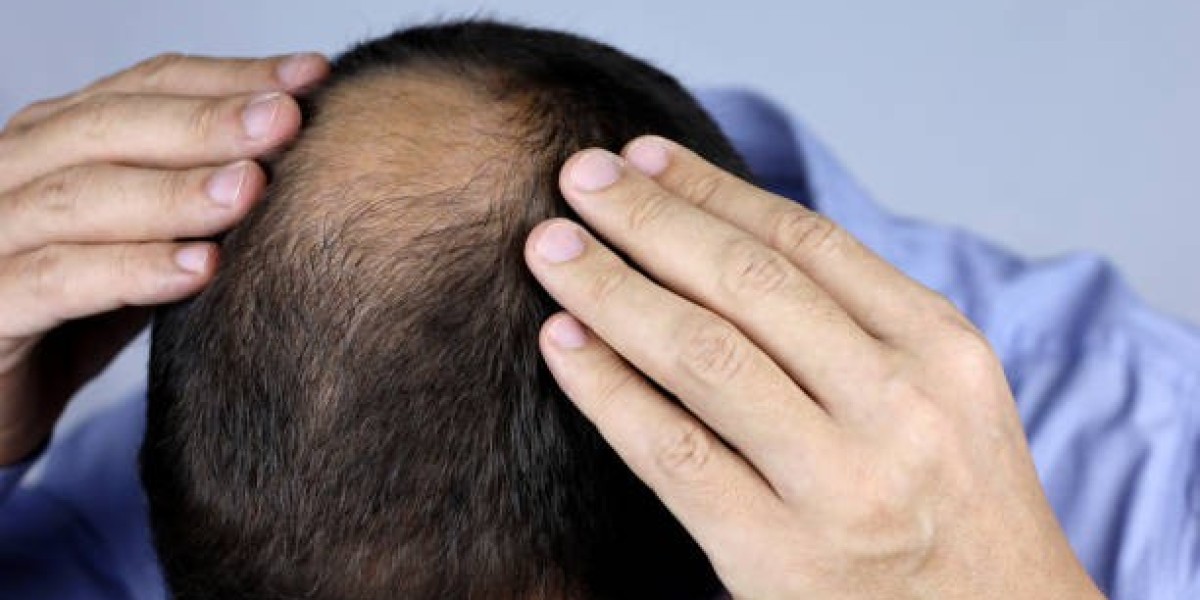

PRP hair treatment is a minimally invasive procedure that uses platelet-rich plasma prepared from your own blood and injected into targeted areas of the scalp. Because the treatment involves blood collection and multiple injections, it can involve certain risks and temporary reactions. Understanding the potential risks of PRP Hair Treatment in Riyadh can help you make informed decisions and recognize when professional medical advice may be necessary.
For most people, recovery from PRP Hair Treatment in Riyadh is relatively straightforward, but no medical procedure is completely free of risk. Possible reactions can depend on factors such as injection technique, scalp sensitivity, hygiene practices, medical history, medications, and individual healing. A qualified practitioner should review your health history and explain the potential risks before treatment.
What Are the Common Risks of PRP Hair Treatment?
Pain and Tenderness
The scalp may feel sore or tender after the injections. Some people may also experience brief discomfort during the procedure. The intensity can vary according to individual pain sensitivity and the number of injection sites.
Redness and Swelling
Temporary redness or localized swelling can develop around injection points. These reactions are usually associated with minor tissue irritation caused by the injections and generally improve as the scalp settles.
Bruising
Small bruises can occasionally occur if an injection affects a small blood vessel beneath the skin. The likelihood may vary depending on individual factors and injection technique.
Risk of Infection
Because PRP treatment involves breaking the skin with needles, there is a potential risk of infection. Appropriate hygiene, sterile equipment, and proper injection technique are important for reducing this risk.
After treatment, unusual warmth, increasing redness, significant swelling, pus-like discharge, fever, or worsening pain should be reported to a healthcare professional promptly. These symptoms require assessment rather than being assumed to be a normal part of recovery.
Risk of Bleeding
Small amounts of bleeding can occur at injection sites. This is usually limited, but people with certain bleeding disorders or those taking medications that affect blood clotting may require additional assessment before treatment.
Tell your practitioner about all prescription medications, over-the-counter medicines, and supplements you use. Never stop a prescribed medication on your own simply because you are preparing for PRP.
Temporary Headache or Scalp Tightness
Some people may experience a mild headache or a sensation of pressure or tightness following scalp injections. These effects can be temporary, but persistent or severe symptoms should be discussed with a healthcare professional.
If a headache is accompanied by other unusual symptoms or becomes progressively worse, seek professional advice rather than assuming it is related to routine recovery.
Nerve or Tissue Irritation
The scalp contains nerves and blood vessels, so injections can potentially cause temporary irritation to surrounding tissues. Significant nerve-related complications are not expected in routine treatment, but unusual numbness, persistent pain, or other concerning sensations should be evaluated by a qualified practitioner.
Proper knowledge of scalp anatomy and appropriate injection technique are important considerations when selecting a treatment provider.
Allergic or Adverse Reactions
Because PRP is prepared from the patient's own blood, reactions to the plasma itself may be less of a concern than with substances introduced from another person. However, other materials used during the procedure, such as topical products or anesthetic agents when applicable, can potentially cause an adverse reaction.
Tell your practitioner about known allergies and previous reactions to medications or medical procedures before treatment.
Who May Have Additional Risks?
People With Certain Medical Conditions
Some medical conditions may affect whether PRP is appropriate or require additional precautions. Your practitioner should review your medical history before proceeding.
People Taking Certain Medications
Medications that affect clotting, bleeding, or platelet function may be relevant to PRP treatment. Provide your complete medication list during consultation so your healthcare professional can determine whether any special precautions are needed.
People With Active Scalp Problems
An active infection, significant inflammation, or another untreated scalp problem may require attention before injections are performed. A professional scalp assessment can help determine whether treatment should proceed.
Can PRP Cause Permanent Hair Damage?
PRP is intended to be administered into targeted areas of the scalp, but inappropriate injection technique can increase the risk of complications. This is one reason treatment should be performed by a qualified healthcare professional who understands scalp anatomy and appropriate injection practices.
PRP should also be approached with realistic expectations. It may support existing follicles in appropriate candidates, but results vary and the treatment does not guarantee a specific amount of new hair growth.
How Can Risks Be Reduced?
Choose an Appropriate Provider
Selecting a qualified and experienced practitioner is an important part of reducing procedure-related risks. Ask about the treatment process, injection technique, hygiene measures, and how complications would be handled if they occurred.
Provide Complete Medical Information
Tell your provider about medical conditions, medications, supplements, allergies, previous procedures, and scalp problems. Complete information helps the practitioner identify potential contraindications and precautions.
Follow Aftercare Instructions
Aftercare recommendations may include guidance about scalp washing, exercise, heat exposure, hair products, and other activities. Following personalized instructions can help reduce unnecessary irritation during recovery.
When Should You Seek Medical Advice?
Mild tenderness, redness, swelling, or bruising can occur after injections. However, significant pain, rapidly increasing swelling, persistent bleeding, fever, unusual discharge, severe headache, or other unexpected symptoms should be discussed with your healthcare provider promptly.
Do not attempt to diagnose a serious reaction yourself. A qualified professional can assess the symptoms and determine whether further treatment or evaluation is necessary.
Understanding the Risks Before Treatment
Before PRP Hair Treatment in Riyadh, discuss both the potential benefits and possible risks with your practitioner. Ask about your suitability, expected results, alternatives, preparation, recovery, and warning signs to watch for after the procedure.
Understanding these factors allows you to approach treatment with realistic expectations and make decisions based on your individual circumstances rather than assuming that PRP will produce the same results for everyone.
Book an Appointment at Royal Clinic Saudia
If you are considering PRP for hair thinning, a professional consultation can help you understand whether the treatment is appropriate for your scalp and health needs. Book an appointment at Royal Clinic Saudia to discuss potential risks, preparation, treatment expectations, recovery, and personalized aftercare with a qualified practitioner.