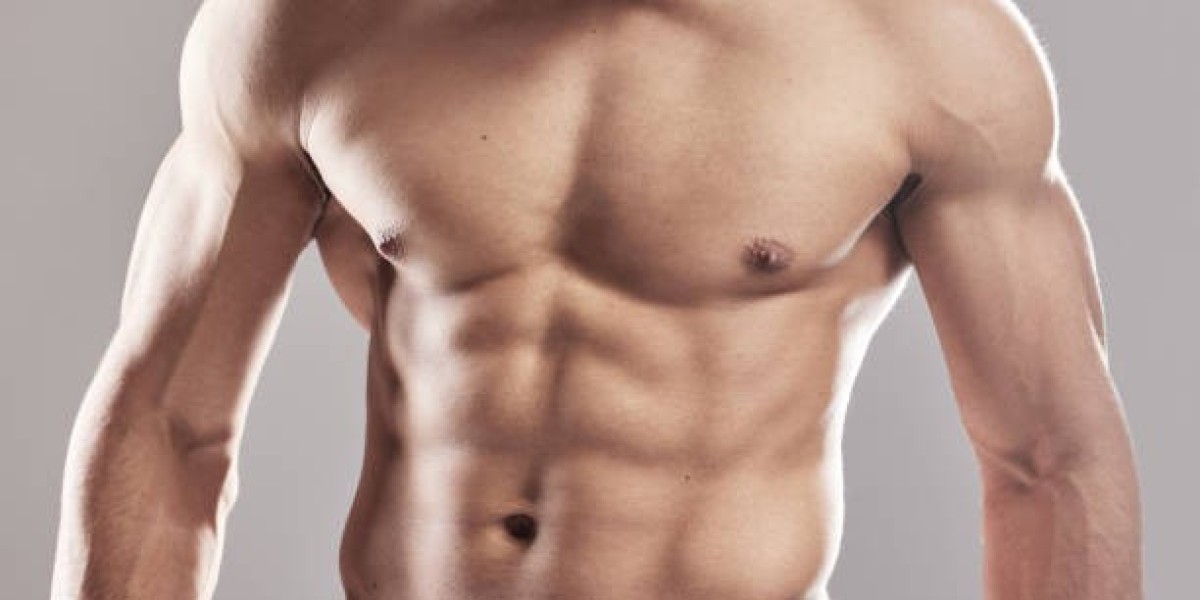

A well-defined chest can contribute to a balanced body shape and help men feel more comfortable in their appearance. However, excess breast tissue, uneven fat distribution, and hormonal changes can create a fuller chest that may not respond to exercise alone. For men experiencing persistent glandular breast enlargement, gynecomastia surgery in riyadh can be a treatment option to consider after a professional evaluation. Understanding how the procedure works, which techniques may be used, and what results to expect can help patients make informed decisions about improving their chest contours.
What Is Gynecomastia and How Does It Affect Chest Shape?
Gynecomastia is the enlargement of glandular breast tissue in men. It can affect one or both sides of the chest and may cause fullness around the nipples, a rounded appearance, or noticeable differences between the two sides. Some men also experience tenderness or sensitivity.
The condition differs from pseudogynecomastia, which involves excess fat rather than enlarged glandular tissue. Both can occur together, making the chest appear less defined. Since the cause and amount of excess tissue vary, a medical assessment is important before deciding on treatment.
How Gynecomastia Surgery Improves Chest Contours
Gynecomastia surgery, also known as male breast reduction, aims to reduce excess tissue and create a flatter, more proportionate chest. The surgeon evaluates the amount of glandular tissue, fat distribution, skin elasticity, and overall chest structure before recommending a suitable technique.
Removing Excess Glandular Tissue
Firm glandular tissue can remain even when a person maintains a healthy weight and exercises regularly. Surgical excision allows the surgeon to remove this tissue, reducing fullness around the nipple and helping the chest appear flatter. Incisions are often positioned near the edge of the areola when appropriate, although placement depends on the patient's anatomy and surgical needs.
Reducing Excess Fat
When fat contributes significantly to chest enlargement, liposuction may help improve definition. A small cannula is used to remove targeted fat through discreet incisions. Liposuction can refine the chest contour, but it may not adequately treat firm glandular tissue when used alone.
Addressing Both Fat and Glandular Tissue
Some men have a combination of excess fat and glandular tissue. In these cases, the surgeon may combine liposuction with glandular tissue removal to achieve a more balanced result. If there is substantial loose skin, additional treatment may be necessary to address it.
Creating a More Balanced Chest Appearance
Chest contouring is not simply about reducing size. The aim is to create a natural-looking shape that fits the patient's body proportions. The surgeon considers the relationship between the chest, shoulders, and upper body, as well as differences between the left and right sides.
Although surgery can improve contour, perfect symmetry cannot be guaranteed. Natural differences in muscle shape, rib structure, skin elasticity, and healing can affect the final appearance. Gynecomastia Surgery in Riyadh may help suitable patients achieve a flatter chest profile, with the precise outcome depending on their individual anatomy and treatment plan.
Who May Benefit From Gynecomastia Surgery?
The procedure may be considered by men who have persistent breast enlargement that causes physical discomfort, concerns about clothing fit, or distress about their chest appearance. Suitable candidates generally have stable health, realistic expectations, and a clear understanding of the procedure's potential benefits and limitations.
Before recommending surgery, a healthcare professional should assess the cause of the enlargement. Hormonal changes, medications, and certain medical conditions may contribute to gynecomastia. Treating an underlying cause may be appropriate before surgery is considered, particularly if the enlargement is new or unexplained.
What Happens During the Procedure?
Gynecomastia surgery is typically performed under anesthesia, with the specific approach depending on the patient's needs. Before the procedure, the surgeon marks the treatment area and reviews the planned incisions and tissue-removal technique.
During surgery, excess fat, glandular tissue, or both are removed as appropriate. The surgeon then assesses the chest contour and closes the incisions. Depending on the extent of treatment, patients may return home the same day or require additional observation. The surgical team provides instructions for wound care, medication, and follow-up visits.
Recovery and the Development of Results
Recovery is an important part of achieving a satisfactory chest contour. Swelling, bruising, tenderness, and temporary changes in sensation can occur after surgery. These effects generally improve gradually, but recovery timelines differ between individuals.
Following Postoperative Instructions
Patients should follow the surgeon's guidance regarding rest, wound care, and prescribed medication. A compression garment may be recommended to support the chest and help manage swelling. Heavy lifting, strenuous workouts, and chest exercises should be avoided until the surgeon confirms that they are safe.
Understanding the Healing Process
The chest may appear swollen or uneven during the early stages of recovery. As swelling decreases and tissues settle, the contour becomes easier to assess. Final results may take several months to become apparent, depending on the procedure and individual healing.
Gynecomastia Surgery in Riyadh can offer lasting contour improvements for appropriate candidates, but outcomes are not identical for everyone. Significant weight changes, persistent hormonal influences, or other medical factors may affect the chest's appearance over time.
Benefits and Limitations of Chest Contouring
Male breast reduction may help create a flatter chest, improve the fit of shirts, reduce discomfort associated with enlarged tissue, and increase confidence for some patients. It may also make chest definition more noticeable when combined with healthy lifestyle habits.
However, surgery does not build chest muscles or guarantee a specific physique. It can leave scars, and possible complications include bleeding, infection, fluid accumulation, asymmetry, contour irregularities, and changes in nipple sensation. Some patients may require revision surgery. Discussing these considerations with a qualified surgeon helps establish realistic expectations.
Maintaining Your Chest Contours After Surgery
Maintaining a stable weight and following general health recommendations can help preserve the results. Regular physical activity and balanced nutrition support overall fitness, although exercise alone cannot reliably remove established glandular breast tissue.
Patients should also seek medical advice if chest enlargement returns or new symptoms develop. If hormones, medication, or an underlying health condition contributed to the original problem, managing that factor remains important for long-term care.
Conclusion
Gynecomastia surgery can improve chest contours by reducing excess glandular tissue, fat, or both. The appropriate technique depends on the cause of enlargement, skin elasticity, chest structure, and individual goals. A thorough assessment and realistic expectations are essential for making an informed decision about treatment.
Men considering Gynecomastia Surgery in Riyadh can contact Royal Clinic Saudia to arrange a consultation, discuss their concerns, and learn about suitable treatment approaches, recovery expectations, and potential risks.







