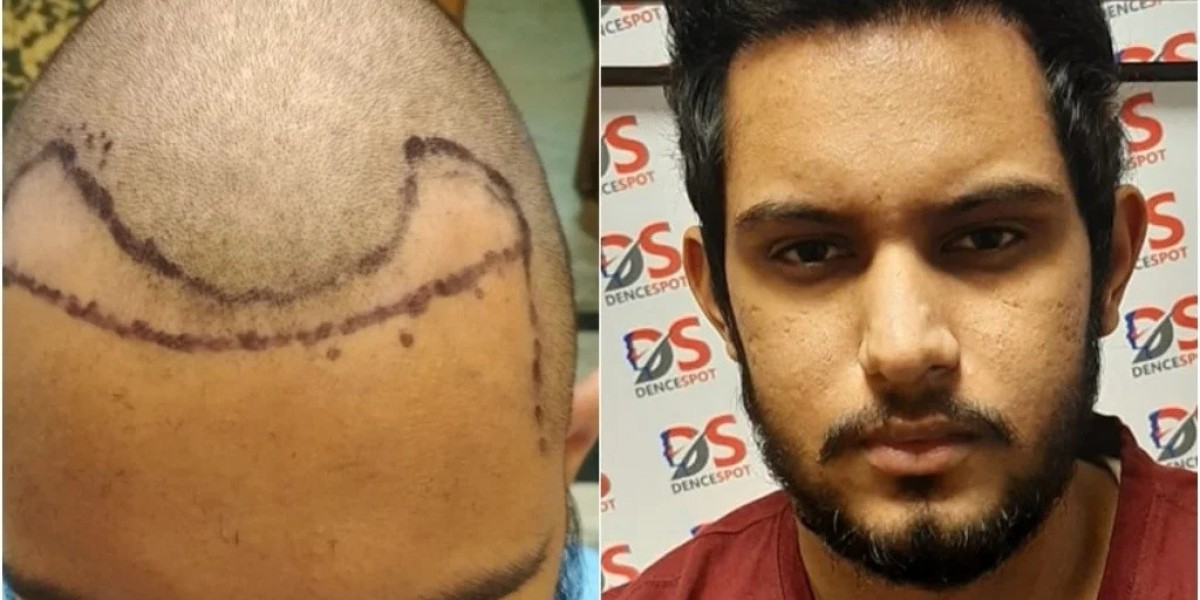

Hair loss can gradually affect the hairline, temples, crown, and overall scalp density. While medicines and other treatments may help manage some types of hair loss, a hair transplant can be considered when hair loss is permanent and sufficient donor hair is available.
If you are looking for a hair transplant clinic in Gurgaon, it is important to compare clinics based on the qualifications of the treating doctor, treatment approach, surgical facilities, graft planning, expected results, and aftercare rather than choosing solely on price.
Gurgaon, also known as Gurugram, has several clinics and specialists providing hair restoration procedures, including FUE, FUT, and DHI.
What Is a Hair Transplant?
A hair transplant is a surgical procedure in which hair follicles are taken from a donor area, usually the back or sides of the scalp, and transplanted into areas affected by hair loss.
The transplanted follicles are carefully placed to follow the natural direction and angle of the patient's existing hair. The objective is to create natural-looking coverage while making effective use of the available donor hair.
Before undergoing treatment, a qualified doctor should evaluate the cause and pattern of hair loss to determine whether a transplant is appropriate.
Why Choose a Hair Transplant Clinic in Gurgaon?
Gurgaon has become a major healthcare destination with numerous dermatology and hair-restoration clinics. Patients can find hair transplant providers across several parts of the city, including Sector 43, Sector 46, Sector 51, Sector 53, Sector 55, Sector 57, Sushant Lok, and DLF areas.
Having multiple clinics to choose from allows patients to compare:
- Doctor qualifications
- Hair transplant techniques
- Number of grafts recommended
- Treatment costs
- Clinic facilities
- Before-and-after results
- Follow-up and aftercare services
However, the right clinic depends on the individual patient's needs. A clinic suitable for one person may not necessarily be suitable for another.
Hair Transplant Techniques Offered in Gurgaon
Different hair transplant clinics may use different techniques. The appropriate method depends on factors such as the patient's hair-loss pattern, donor hair density, number of grafts required, and treatment goals.
FUE Hair Transplant
Follicular Unit Extraction, commonly called FUE, involves extracting individual hair follicles from the donor area and transplanting them into the recipient area.
Some features of FUE include:
- Individual follicle extraction
- No long linear scar caused by strip harvesting
- Suitable for many patients
- Ability to selectively extract grafts
- Generally performed using local anesthesia
FUE is one of the commonly offered hair transplant procedures in Gurgaon.
FUT Hair Transplant
Follicular Unit Transplantation, or FUT, involves removing a strip of skin containing hair follicles from the donor area. The strip is then divided into individual follicular units for transplantation.
FUT can be considered in selected cases, particularly when a larger number of grafts may be required. However, the technique generally leaves a linear scar at the donor site.
DHI Hair Transplant
Direct Hair Implantation, commonly referred to as DHI, uses a specialized implantation device to place extracted hair follicles into the recipient area.
It allows controlled placement of grafts and can be used for precise hairline and density planning. However, DHI is not automatically the right choice for every patient.
A qualified specialist should recommend the technique after assessing the scalp and donor area.
Who Can Consider a Hair Transplant?
A hair transplant may be considered for people experiencing certain forms of permanent hair loss, such as:
- Receding hairline
- Male-pattern baldness
- Crown thinning
- Certain cases of female-pattern hair loss
- Selected scar-related hair loss
However, a hair transplant is not suitable for every person experiencing hair loss.
The doctor may assess:
- Cause of hair loss
- Hair-loss progression
- Donor hair density
- Scalp condition
- Existing hair density
- Medical history
- Future hair-loss risk
- Treatment expectations
Identifying the underlying cause is important because some types of hair loss may respond better to medical treatment than surgery.
Hair Transplant Cost in Gurgaon
The hair transplant cost in Gurgaon can vary significantly depending on several factors.
These may include:
- Number of grafts required
- Hair transplant technique
- Doctor's experience
- Clinic facilities
- Degree of hair loss
- Number of treatment sessions
- Medicines and postoperative care
Current online estimates can vary considerably, so there is no single price applicable to every patient.
| Cost Factor | Why It Matters |
|---|---|
| Graft count | A higher number of grafts can increase the cost |
| Technique | FUE, FUT and DHI may have different pricing |
| Hair-loss severity | Larger areas can require more grafts |
| Surgeon | Experience and expertise can affect the fee |
| Clinic | Facilities and treatment standards vary |
| Additional treatment | Medicines or other procedures may add to the total |
Patients should ask for a complete written quotation after a consultation rather than choosing a clinic based on an advertised starting price.
How Many Grafts Are Needed?
The number of grafts required varies from person to person.
The doctor may consider:
- Hairline recession
- Temple loss
- Crown thinning
- Size of the bald area
- Existing hair density
- Donor-area density
- Hair thickness
- Desired coverage
- Potential future hair loss
A person with mild hairline recession may need considerably fewer grafts than someone with extensive frontal and crown hair loss.
A proper examination of the donor and recipient areas is therefore important before determining the graft requirement.
Hair Transplant Procedure
A typical hair transplant involves several stages.
1. Consultation
The doctor evaluates the scalp, donor area, hair-loss pattern, and medical history.
2. Treatment Planning
The surgeon determines the proposed hairline, graft requirement, extraction method, and implantation strategy.
3. Preparation
The scalp is cleaned and local anesthesia is generally administered before the procedure.
4. Graft Extraction
Hair follicles are extracted from the donor area using the selected technique.
5. Graft Preparation
The extracted follicles are carefully prepared for transplantation.
6. Graft Implantation
The grafts are placed into the recipient area according to the planned angle, direction, and density.
7. Postoperative Care
The patient receives instructions regarding scalp washing, medications, sleeping position, physical activity, and follow-up appointments.
Recovery After Hair Transplant
Recovery varies depending on the technique and individual patient.
Some temporary effects may include:
- Redness
- Mild swelling
- Tenderness
- Small scabs
- Temporary scalp sensitivity
Patients should follow the instructions provided by their doctor and avoid scratching or unnecessarily touching the treated area.
Transplanted hairs may also shed temporarily after the procedure. This can happen as the follicles enter a new growth cycle and does not necessarily mean that the procedure has failed.
When Will Hair Transplant Results Appear?
Hair transplant results develop gradually.
The transplanted hair may initially shed, followed by new growth over the following months. Visible improvement generally develops progressively rather than immediately.
The final result may take approximately 9–12 months or longer, depending on individual hair-growth cycles, healing, graft characteristics, and the extent of the procedure.
Patients should maintain realistic expectations and follow the recommended aftercare instructions.
How to Choose a Hair Transplant Clinic in Gurgaon
Choosing a clinic is an important decision. Consider the following factors before booking a procedure.
Check the Doctor's Qualifications
Find out who will perform the procedure and verify their relevant medical qualifications and experience in hair restoration.
Ask Who Performs the Procedure
Ask specifically who will:
- Design the hairline
- Extract the grafts
- Create recipient sites
- Implant the follicles
- Monitor the procedure
Review Before-and-After Results
Ask to see genuine cases with a similar hair-loss pattern and degree of baldness. This can provide a more realistic reference for expected outcomes.
Understand the Graft Requirement
The clinic should explain how many grafts are recommended and why.
More grafts are not necessarily better because donor hair is limited. Careful planning is important for both the current procedure and potential future hair loss.
Compare the Complete Treatment Cost
Ask whether the quoted amount includes:
- Consultation
- Procedure charges
- Anesthesia
- Medicines
- Follow-up visits
- Postoperative care
This makes it easier to compare different clinics accurately.
Discuss Potential Risks
Hair transplantation is a surgical procedure. Your doctor should explain potential risks, complications, limitations, and expected recovery before treatment.
Questions to Ask a Hair Transplant Clinic
Before making an appointment or booking surgery, consider asking:
- What is causing my hair loss?
- Am I a suitable candidate for a transplant?
- How many grafts do I need?
- Which technique do you recommend?
- Why is this technique appropriate for me?
- Who will perform the procedure?
- What results can realistically be expected?
- What is included in the total cost?
- What are the possible risks and complications?
- Will my existing hair continue to thin?
Getting clear answers can help you understand the treatment and compare different clinics.
Is Hair Transplant Safe?
Hair transplantation is a surgical procedure and can involve potential risks. These may include infection, bleeding, swelling, scarring, changes in sensation, poor graft growth, or an unnatural appearance.
The risks vary according to the patient's individual circumstances and the procedure performed.
A qualified medical professional should assess your condition and explain the potential benefits and risks before treatment.
Frequently Asked Questions
What is the cost of a hair transplant in Gurgaon?
Hair transplant prices vary depending on the number of grafts, technique, surgeon, clinic, and other treatment requirements. Patients should obtain an individualized quotation after a proper scalp assessment.
Which hair transplant technique is suitable?
FUE, FUT, and DHI use different approaches. The appropriate technique depends on factors such as donor hair availability, hair-loss pattern, graft requirements, and the doctor's assessment.
How many grafts are required for a hair transplant?
There is no standard graft number for every patient. The requirement depends on the size of the treatment area, existing hair density, donor availability, and desired coverage.
Is transplanted hair permanent?
Hair transplanted from suitable donor areas can provide long-lasting growth. However, non-transplanted hair can continue to thin over time.
Can women undergo hair transplantation?
Some women with appropriate types of hair loss and sufficient donor hair may be candidates. A proper diagnosis should be completed before considering surgery.
How long does a hair transplant procedure take?
The duration depends on the number of grafts and technique used. Larger procedures can take several hours and may sometimes require more than one session.
Conclusion
Choosing a hair transplant clinic in Gurgaon requires careful consideration of the doctor, treatment technique, graft requirement, clinic facilities, cost, expected results, and postoperative support.
Gurgaon has several clinics offering hair restoration procedures such as FUE, FUT, and DHI. Rather than selecting a clinic solely because of a low price or promotional claim, compare the qualifications of the treating professional, treatment plan, before-and-after results, safety practices, complete cost, and aftercare services.
Most importantly, consult a qualified hair-restoration professional to determine the cause of your hair loss and whether a hair transplant is an appropriate option for your individual condition.